
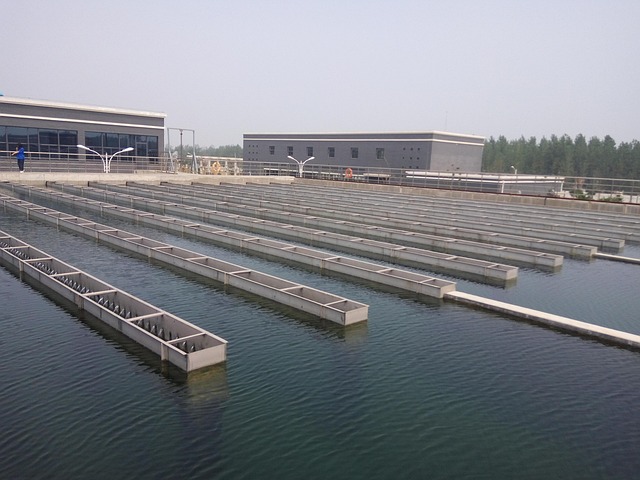
A Comprehensive Guide to Industrial Water Treatment Regulations and Essential Maintenance Practices
Introduction
Industrial water treatment is a critical process for ensuring compliance with environmental regulations and maintaining the efficiency and longevity of industrial equipment. This guide delves into the key regulations governing industrial water treatment and provides practical insights into essential maintenance practices, including metering pump calibration, dosing system maintenance, industrial mixer repair, and chemical dosing. Understanding and adhering to these regulations and practices can help industrial facilities avoid costly penalties and optimize their water treatment processes.
Understanding Industrial Water Treatment Regulations
Industrial water treatment regulations are designed to protect public health and the environment by controlling the discharge of contaminants and managing water usage. These regulations vary by country and region but generally encompass several key areas:
- Water Quality Standards: Regulations set specific limits on the concentrations of various contaminants that can be discharged into water bodies.
- Effluent Guidelines: These guidelines provide industry-specific standards for wastewater discharge, often including limits on pollutants such as heavy metals, organic compounds, and pH levels.
- Permitting Requirements: Facilities must obtain permits to discharge wastewater, which often require regular monitoring and reporting.
- Environmental Impact Assessments (EIAs): Before new water treatment systems are installed, an EIA may be required to assess the potential environmental impact.
Essential Maintenance Practices for Water Treatment Systems
Metering Pump Calibration
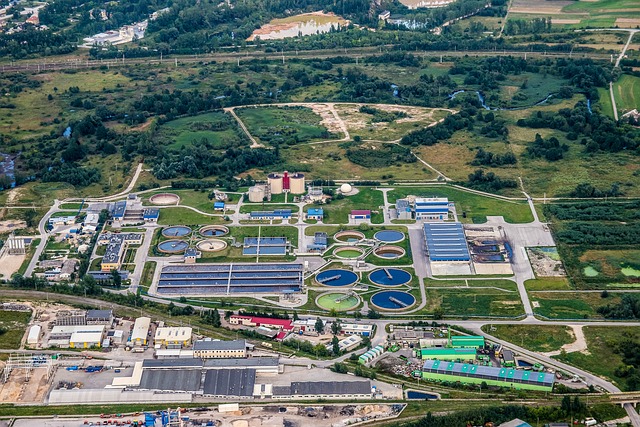
Metering pumps are vital in water treatment processes, as they ensure precise dosing of chemicals. Regular calibration is essential to maintain accuracy and efficiency:
- Conduct calibration checks at least once every six months.
- Use a standard solution to test the pump's output and compare it to the set flow rate.
- Adjust the pump settings as needed to ensure accurate dosing.
- Keep detailed records of each calibration to track performance over time.
Dosing System Maintenance
The dosing system is responsible for delivering chemicals to the water treatment process. Proper maintenance ensures reliability and effectiveness:
- Check all connections and fittings for leaks and tighten or replace as necessary.
- Clean filters and strainers to prevent blockages that can affect dosing accuracy.
- Inspect and replace worn-out parts, such as diaphragms and seals.
- Perform regular system checks to ensure that the dosing rate matches the required parameters.
Industrial Mixer Repair
Industrial mixers are crucial for blending chemicals and water effectively. Regular repairs and maintenance are necessary to keep them running smoothly:
- Inspect mixers for signs of wear and tear, such as corrosion or misalignment.
- Replace damaged blades or impellers to maintain mixing efficiency.
- Lubricate moving parts and check for any loosening or damage in the drive system.
- Conduct performance tests to ensure that the mixer is operating at the correct speed and torque.
Chemical Dosing Best Practices
Chemical dosing is a critical aspect of industrial water treatment. Ensuring that chemicals are dosed accurately and safely is paramount:
- Follow manufacturer guidelines for chemical dosing rates and concentrations.
- Use appropriate personal protective equipment (PPE) when handling chemicals to ensure safety.
- Regularly test the water to monitor the effectiveness of chemical dosing.
- Adjust dosing rates based on water quality and process variables.
Pump Troubleshooting Techniques
Effective pump troubleshooting can help identify and resolve issues quickly, minimizing downtime and maintaining process efficiency:
- Listen for unusual noises or vibrations that may indicate a mechanical problem.
- Check for blockages in the pump's inlet and outlet lines.
- Inspect the pump's electrical connections for signs of damage or corrosion.
- Monitor pressure gauges and flow meters to detect changes in performance.
- Keep a log of common issues and their solutions to aid in future troubleshooting.
Conclusion
Compliance with industrial water treatment regulations and the implementation of robust maintenance practices are essential for the effective operation of water treatment systems. Regular metering pump calibration, dosing system maintenance, industrial mixer repair, and chemical dosing, along with prompt pump troubleshooting, can help ensure that your facility meets environmental standards and maintains optimal performance. By investing in these practices, industrial facilities can not only avoid penalties but also contribute to the sustainability and efficiency of their operations.
❓ FAQ
What is the primary purpose of industrial water treatment regulations?
The primary purpose of industrial water treatment regulations is to protect public health and the environment by controlling the discharge of contaminants and managing water usage.
What are some of the key areas covered by industrial water treatment regulations?
Key areas covered by industrial water treatment regulations include water quality standards, effluent guidelines, permitting requirements, and environmental impact assessments (EIAs).
What do effluent guidelines primarily regulate?
Effluent guidelines primarily provide industry-specific standards for wastewater discharge, often including limits on pollutants such as heavy metals, organic compounds, and pH levels.
Why is metering pump calibration important in industrial water treatment?
Metering pump calibration is important in industrial water treatment because it ensures accurate dosing of chemicals, which is crucial for the effectiveness and compliance of the water treatment process.
What is required before installing a new water treatment system?
Before installing a new water treatment system, an Environmental Impact Assessment (EIA) is typically required to evaluate the potential effects of the system on the environment.