
Advancements in Membrane Technology Drive Innovation Across Industries
Introduction
Membrane technology continues to evolve and find its way into various sectors, addressing critical issues such as water purification, biogas upgrading, and food processing. This technology, which involves the use of selective barriers to separate substances, has gained significant traction due to its efficiency and cost-effectiveness. Recent developments highlight the growing importance and potential of membrane technology in solving industry-specific challenges.
Water Systems Fouling Tackled by Husker Engineers
Engineers at the University of Nebraska have taken up the challenge of addressing water systems fouling, a common problem that reduces the efficiency of water treatment processes. Their research focuses on developing new methods to prevent the buildup of contaminants on membrane surfaces, thereby extending the life of the membranes and improving water quality. This work is crucial for the sustainable operation of water treatment facilities and could have far-reaching implications for global water management.
Evonik Partners in Asian Biogas Upgrader Project
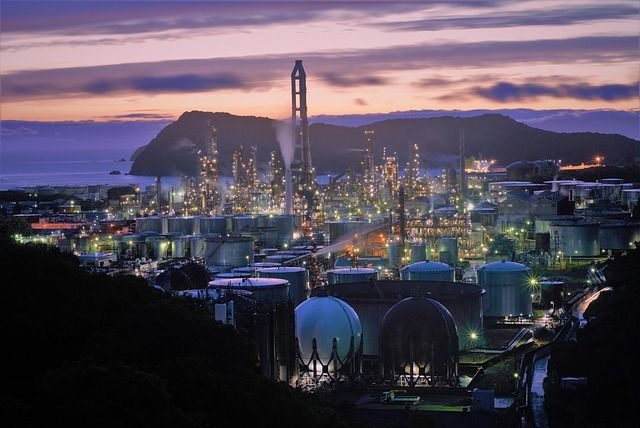
Evonik, a leading specialty chemicals company, has announced a strategic partnership with a public-private biogas upgrader in Asia. The project aims to enhance the production and quality of biogas through the application of advanced membrane technology. Biogas, a renewable energy source, can be upgraded to biomethane, which is suitable for injection into natural gas grids or used as a vehicle fuel. Evonik's involvement in this project underscores the growing role of membrane technology in sustainable energy solutions.
DOE Optimizes Heat/Mass Exchangers Using Membrane Technologies
The U.S. Department of Energy (DOE) has been working on the design and optimization of Heat/Mass Exchangers (HMX) using membrane technologies. These exchangers are critical for various industrial processes, including chemical and petrochemical plants, where efficient heat and mass transfer are essential. The DOE's research aims to improve the performance and reduce the environmental impact of these exchangers, making industrial operations more sustainable and economically viable.
Lactose Removal in Dairy Processing
In the dairy industry, membrane systems are proving to be a valuable tool for removing lactose while retaining the value of dairy products. Dairy Foods Magazine reported on a study that demonstrates how these systems can effectively separate lactose from whey and other dairy by-products, enabling the production of lactose-free products and the recovery of valuable components. This innovation not only meets the growing demand for lactose-free dairy options but also enhances the profitability of dairy producers.
Global Investment in Membrane Technology

Membrane Technology & Research, a leading provider of membrane-based solutions, has secured a $27 million investment to accelerate the global deployment of their technologies. This significant financial backing will enable the company to expand its research and development efforts, as well as scale up production and market reach. The investment reflects a growing recognition of the importance of membrane technology in addressing environmental and industrial challenges.
Conclusion
The recent advancements and projects in membrane technology highlight its multifaceted applications and the potential to drive sustainability and efficiency in various industries. From water treatment and biogas upgrading to dairy processing and industrial heat exchangers, the technology is poised to play a crucial role in addressing some of the most pressing global challenges.
📰 参考来源
- Husker engineers tackle water systems fouling - Nebraska Today (April 28, 2026)
- Evonik becomes membrane technology partner for public-private biogas upgrader in Asia - Hydrocarbon Processing (April 27, 2026)
- Design/Optimization of Heat/Mass Exchangers (HMX) using Membrane Technologies - Department of Energy (.gov) (April 23, 2026)
- How membrane systems can remove lactose and retain value - Dairy Foods Magazine (April 23, 2026)
- Membrane Technology & Research Secures $27 Million Investment to Accelerate Global Deployment of Membrane-Based Solutions - Yahoo Finance (April 09, 2026)
❓ FAQ
What is membrane technology and how is it used?
Membrane technology involves the use of selective barriers to separate substances. It is used in various industries such as water purification, biogas upgrading, and food processing, known for its efficiency and cost-effectiveness.
What problem are Husker engineers trying to solve with membrane technology?
Husker engineers are working on addressing water systems fouling, which is a common issue that reduces the efficiency of water treatment processes by developing methods to prevent the buildup of contaminants on membrane surfaces.
How does preventing fouling in water systems benefit water treatment facilities?
Preventing fouling extends the life of the membranes and improves water quality, which is crucial for the sustainable operation of water treatment facilities and has significant implications for global water management.
What is Evonik's involvement in the Asian biogas upgrader project?
Evonik, a leading specialty chemicals company, has announced a strategic partnership with a public-private biogas upgrader in Asia. The partnership focuses on enhancing the production and quality of biogas using advanced membrane technology.
What is the significance of upgrading biogas to biomethane?
Upgrading biogas to biomethane makes it suitable for injection into natural gas grids or use as a vehicle fuel, thereby increasing its value and applicability as a renewable energy source.