

Comprehensive Guide to Tubular Ultrafiltration Membrane System Costs: Maintenance, Cleaning, and Troubleshooting
Introduction
Tubular ultrafiltration membrane systems are a crucial component in various water treatment and industrial processes. However, understanding the costs associated with these systems, including membrane maintenance, membrane cleaning, membrane fouling, membrane replacement, and DTRO troubleshooting, is essential for budgeting and operational planning. This guide aims to provide a detailed overview of the financial considerations and practical tips to optimize the lifespan and efficiency of your tubular ultrafiltration membrane system.
Initial Costs of Tubular Ultrafiltration Membrane Systems
The initial cost of setting up a tubular ultrafiltration membrane system can vary widely depending on several factors, such as the size of the system, the type of membranes used, and the complexity of the installation. Here are some key costs to consider:
- Membrane Modules: High-quality membrane modules are a significant portion of the initial investment. Tubular membranes are often chosen for their robustness and ability to handle high-contaminant loads.
- Equipment and Infrastructure: This includes the cost of pumps, tanks, pipes, and other necessary components. The durability and efficiency of these components can impact the overall system performance.
- Installation: Professional installation is recommended to ensure optimal performance and to avoid potential issues that could arise from improper setup.
Operational Costs
Operational costs are ongoing and can significantly affect the total cost of ownership over the lifespan of the system. These costs include:
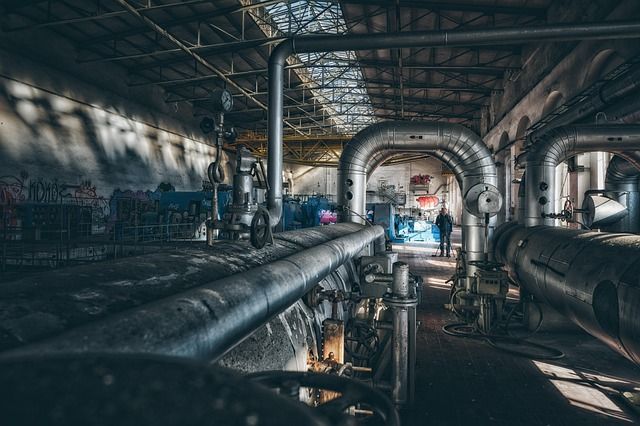
- Energy Consumption: The energy required to run the pumps and other equipment can be a substantial part of operational costs. Energy-efficient systems can help reduce this expense.
- Water and Chemical Usage: Regular membrane cleaning requires water and chemical solutions. The frequency and intensity of cleaning can impact these costs.
- Personnel Training: Ensuring that your team is well-trained in system operation and DTRO troubleshooting can help avoid costly mistakes and downtime.
Maintenance and Cleaning Costs
Membrane maintenance and cleaning are critical to the longevity and efficiency of tubular ultrafiltration systems. Neglecting these tasks can lead to membrane fouling, which reduces the system's performance and increases costs.
- Regular Inspection: Frequent inspections can help detect issues early, preventing more significant problems and reducing maintenance costs.
- Preventive Maintenance: Implementing a regular maintenance schedule, including filter changes and equipment checks, can extend the membrane lifespan and keep operational costs down.
- Chemical Cleaning: Periodic chemical cleaning is necessary to remove fouling and restore membrane performance. This can be a recurring cost, but it is essential for maintaining system efficiency.
Membrane Replacement Costs
Membrane replacement is a necessary expense over the lifespan of an ultrafiltration system. The frequency of replacement depends on the system's operating conditions and the quality of the membranes used.
- Membrane Lifespan: High-quality membranes can last longer, reducing the need for frequent replacements. Factors such as feed water quality, operating pressure, and temperature can impact membrane longevity.
- Cost of New Membranes: The cost of new membrane modules can be high, especially for large-scale systems. It's important to budget for these expenses and consider the cost of different membrane types.
- Disposal Costs: Properly disposing of old membranes can also incur costs, particularly if they are contaminated and require specialized handling.
DTRO Troubleshooting and Repair Costs
DTRO (Dissolved Total Reverse Osmosis) troubleshooting is an important aspect of maintaining tubular ultrafiltration systems. Issues such as fouling, scaling, and mechanical failures can lead to increased repair costs. Here are some common troubleshooting steps:
- Identify the Problem: Regular monitoring and logging of system performance can help identify issues early. Common problems include reduced flow rates, increased pressure drop, and decreased product quality.
- Perform Root Cause Analysis: Understanding the root cause of a problem can help in choosing the appropriate solution. For example, membrane fouling might be caused by specific contaminants in the feed water.
- Implement Solutions: Solutions might range from simple adjustments to more complex repairs or replacements. Effective troubleshooting can save time and money by addressing issues promptly.
Strategies to Reduce Costs
While the costs of tubular ultrafiltration membrane systems can be significant, there are several strategies to help minimize expenses:
- Optimize Operating Conditions: Adjusting factors such as feed water quality, operating pressure, and temperature can help extend membrane life and reduce fouling.
- Regular Cleaning and Maintenance: A proactive approach to membrane cleaning and maintenance can prevent costly repairs and replacements.
- Invest in High-Quality Membranes: While the initial cost may be higher, high-quality membranes can reduce long-term expenses by lasting longer and requiring less frequent cleaning and replacement.
- Training and Support: Providing ongoing training and support for your team can help them identify and resolve issues more efficiently, reducing downtime and repair costs.
Conclusion
Tubular ultrafiltration membrane systems offer effective solutions for water treatment and industrial processes, but they come with significant initial and operational costs. By focusing on membrane maintenance, cleaning, and troubleshooting, you can optimize the membrane lifespan and reduce the need for costly replacements. Implementing these strategies and understanding the financial implications will help you make informed decisions and manage your system more efficiently.
❓ FAQ
What are tubular ultrafiltration membrane systems used for?
Tubular ultrafiltration membrane systems are used in various water treatment and industrial processes to filter out impurities and contaminants from water or process fluids.
What are the main factors that influence the initial cost of a tubular ultrafiltration membrane system?
The main factors influencing the initial cost include the size of the system, the type of membranes used, and the complexity of the installation.
Why is professional installation recommended for tubular ultrafiltration membrane systems?
Professional installation is recommended to ensure optimal performance of the system and to avoid potential issues that could arise from improper setup, which might lead to increased maintenance and operational costs.
What are some key components included in the equipment and infrastructure costs of a tubular ultrafiltration membrane system?
The equipment and infrastructure costs include items such as pumps, tanks, pipes, and other necessary components that are crucial for the system's operation and efficiency.
How do the quality of membrane modules affect the initial investment in a tubular ultrafiltration membrane system?
High-quality membrane modules, which are a significant portion of the initial investment, are often chosen for their robustness and ability to handle high-contaminant loads, thus potentially reducing long-term maintenance and operational costs.