
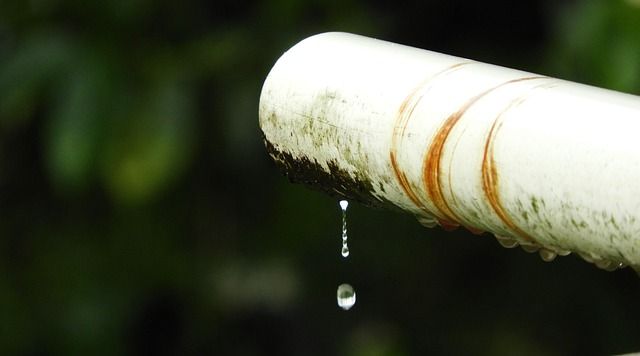
Effective Strategies for Detecting Leaks in Industrial Piping and Fittings
Introduction
Industrial piping systems are the backbone of many manufacturing and processing facilities, ensuring the efficient transfer of fluids, gases, and other materials. However, leaks in these systems can lead to significant operational issues, safety hazards, and financial losses. Regular piping maintenance is crucial to prevent and detect leaks, but knowing how to identify and address them is equally important. This article provides a comprehensive guide on effective strategies for detecting leaks in industrial piping and fittings.
Common Causes of Leaks in Industrial Piping and Fittings
1. Material Degradation
The continuous flow of fluids and gases can cause the material of pipes and fittings to degrade over time. Factors such as corrosion, erosion, and chemical reactions can weaken the integrity of the system, leading to leaks. Regular inspections and piping maintenance can help identify early signs of material degradation.
2. Poor Installation
Improper installation is a frequent cause of leaks. Issues such as incorrect alignment, loose connections, and inadequate tightening can result in gaps and vulnerabilities. Ensuring that all installation procedures are followed correctly and by trained professionals is essential to prevent leaks from developing.
3. High Pressure and Temperature
Industrial pipes and fittings often operate under high pressure and temperature conditions, which can stress the materials and lead to leaks. Regular piping maintenance and using materials suitable for the specific operating conditions can mitigate these risks.
4. Vibration and Movement
Mechanical vibrations and movements can cause pipes and fittings to shift, leading to stress on connections and potential leaks. Installing proper supports and dampeners can help minimize vibrations and ensure the stability of the system.
Methods for Detecting Leaks in Industrial Piping and Fittings
1. Visual Inspection
One of the simplest and most effective methods for detecting leaks is through regular visual inspections. This involves physically examining the pipes and fittings for any signs of moisture, drips, or other indicators of a leak. Visual inspections should be conducted by trained personnel who can identify subtle signs of wear and tear.
2. Audible Leak Detection
Audible leak detection involves listening for the sound of escaping fluid or gas. High-pressure leaks often produce a hissing or whistling sound that can be detected using specialized acoustic equipment. This method is particularly useful for identifying small leaks that might not be visible to the naked eye.
3. Thermal Imaging
Thermal imaging cameras can detect temperature differences in the piping system, which can indicate the presence of a leak. For instance, a cooler spot on a hot water line or a warmer spot on a cold water line might suggest a leak. Thermal imaging is a non-invasive method that can quickly scan large areas of the system.
4. Ultrasonic Testing
Ultrasonic testing uses high-frequency sound waves to detect leaks. This method is highly sensitive and can identify even the smallest leaks. Ultrasonic testing is particularly useful for detecting leaks in pressurized systems and can be used in conjunction with other methods to provide a more comprehensive inspection.

5. Dye Penetrant Inspection
Dye penetrant inspection involves applying a fluorescent dye to the surface of the pipes and fittings and then using a UV light to detect any leaks. This method is effective for identifying surface defects and can be used on a wide range of materials. It is particularly useful for inspecting filter housing seals and other critical components.
6. Pressure Testing
Pressure testing involves sealing the piping system and pressurizing it to a specified level. The system is then monitored for any pressure loss, which would indicate a leak. This method can be used to test the integrity of the entire system or specific sections. It is important to follow safety protocols during pressure testing to avoid creating additional leaks or safety hazards.
Equipment and Tools for Leak Detection
1. Ultrasonic Leak Detectors
Ultrasonic leak detectors are portable devices that can detect the high-frequency sound waves produced by leaks. These detectors are easy to use and provide instant results, making them ideal for quick inspections. They are particularly useful for identifying leaks in noisy environments where other methods might be less effective.
2. Thermal Imaging Cameras
Thermal imaging cameras are advanced tools that can detect temperature variations in the piping system. These cameras are non-contact and can quickly scan large areas, making them ideal for large-scale industrial applications. They are particularly useful for detecting leaks in systems where temperature differences are a key indicator.
3. Acoustic Leak Detection Devices
Acoustic leak detection devices are designed to amplify the sounds of leaks, making them easier to hear. These devices can be used in conjunction with visual inspections to provide a more thorough assessment. They are particularly useful for detecting leaks in areas that are difficult to access or inspect visually.
4. Dye Penetrant Kits
Dye penetrant kits include a fluorescent dye, developer, and UV light. These kits are easy to use and can be applied to various materials. They are particularly useful for identifying leaks in filter housing seals and other components where surface defects are a concern.
5. Pressure Testing Equipment
Pressure testing equipment includes pressure gauges, pumps, and sealing devices. These tools are used to pressurize the system and monitor for any pressure loss. Pressure testing equipment is essential for ensuring the integrity of the system and can help identify leaks that might not be detected by other methods.
Best Practices for Piping Maintenance and Leak Detection
1. Regular Inspections
Regular inspections are the cornerstone of effective piping maintenance. Scheduling inspections at regular intervals can help identify potential issues before they become major problems. During inspections, focus on critical components such as filter housing seals, industrial fittings, and connection points.

2. Training and Competency
Ensuring that all personnel involved in piping maintenance and leak detection are properly trained and competent is crucial. Training should cover the use of inspection tools, the identification of common issues, and the proper procedures for addressing leaks. Competent personnel can help prevent misdiagnosis and ensure that leaks are detected and repaired efficiently.
3. Use of Quality Materials
Using high-quality materials for pipes and fittings can significantly reduce the risk of leaks. Materials should be selected based on their resistance to corrosion, erosion, and the specific operating conditions of the system. Regularly replacing filter cartridge and other components with high-quality replacements can help maintain the integrity of the system.
4. Proper Installation and Assembly
Proper installation and assembly of pipes and fittings are essential to prevent leaks. All connections should be aligned correctly, and fittings should be tightened to the manufacturer's specifications. Using the correct tools and techniques during installation can help ensure that the system is leak-free from the start.
5. Documentation and Reporting
Maintaining detailed records of inspections, repairs, and maintenance activities is important for tracking the condition of the system over time. Documentation should include the date of the inspection, the tools used, any issues found, and the steps taken to address them. Regular reporting can help identify patterns and trends, allowing for proactive piping maintenance.
6. Addressing Leaks Promptly
Once a leak is detected, it should be addressed promptly to prevent further damage and safety hazards. Depending on the severity and location of the leak, this may involve repairing or replacing the affected components. For filter cartridge replacement and other routine tasks, having a well-stocked inventory of replacement parts can help minimize downtime.
Case Studies and Real-World Examples
1. Chemical Plant Leak Detection
A chemical plant in the Midwest implemented regular thermal imaging inspections to detect leaks in its high-temperature piping system. During one inspection, a significant temperature difference was identified, leading to the discovery of a small leak. The plant was able to address the leak before it caused any significant damage, saving thousands of dollars in potential repairs and downtime.
2. Pharmaceutical Facility
A pharmaceutical facility used ultrasonic testing to identify a leak in a critical section of its piping system. The leak was not visible to the naked eye, but the high-frequency sound waves were easily detected by the ultrasonic equipment. The facility was able to repair the leak and resume operations with minimal disruption.
3. Water Treatment Plant
A water treatment plant conducted regular visual inspections and discovered a leak in a filter housing seal. The seal was replaced, and the system was pressure-tested to ensure that the leak had been fully addressed. The plant's proactive approach to piping maintenance helped prevent a larger and more costly leak from developing.
Conclusion
Leak detection in industrial piping and fittings is a critical aspect of piping maintenance that can prevent operational issues, safety hazards, and financial losses. By understanding the common causes of leaks and implementing effective detection methods, industrial facilities can maintain the integrity of their piping systems. Regular visual inspections, audible leak detection, thermal imaging, ultrasonic testing, dye penetrant inspection, and pressure testing are all valuable tools in the leak detection arsenal. Additionally, best practices such as regular inspections, proper training, using quality materials, and addressing leaks promptly can help ensure a reliable and efficient piping system.