
High-Salinity Wastewater Treatment: A Case Study Utilizing STRO Technology for Landfill Leachate and Zero Liquid Discharge
Introduction
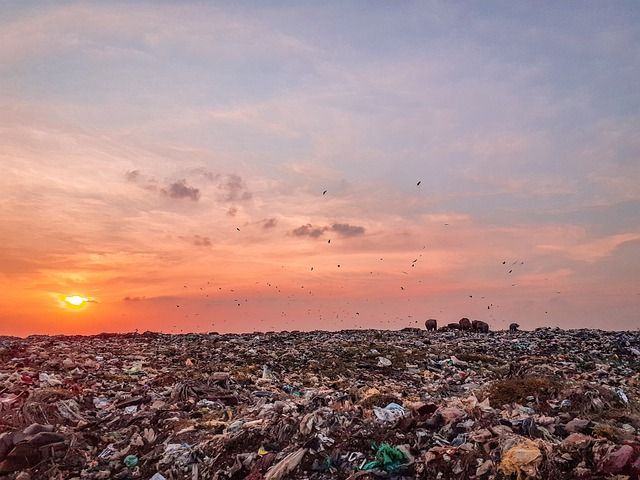
High-salinity wastewater treatment is a critical challenge in various industrial settings, particularly in managing landfill leachate. Landfill leachate, a highly concentrated wastewater generated from decomposing waste in landfills, often contains high levels of dissolved solids, organic pollutants, and heavy metals. Traditional treatment methods may struggle to effectively handle such high concentrations, leading to environmental and operational issues. This case study explores the successful application of Spiral Wound Reverse Osmosis (STRO) technology to achieve zero liquid discharge (ZLD) in a high-salinity wastewater treatment plant, emphasizing its potential for industrial wastewater and water reuse.
Challenges in High-Salinity Wastewater Treatment
High-salinity wastewater, such as landfill leachate, poses significant challenges due to its complex composition and high concentration of contaminants. Traditional methods like biological treatment and chemical precipitation can be inefficient or impractical. The primary issues include:
- High TDS Levels: Total dissolved solids (TDS) in leachate can be as high as 50,000 mg/L, making conventional treatment methods less effective.
- Organic Contaminants: Landfill leachate contains a variety of organic compounds, some of which are recalcitrant and difficult to remove.
- Heavy Metals: The presence of heavy metals can pose severe environmental and health risks if not properly treated.
- Volume and Flow Rate Variability: Leachate volume and composition can vary significantly, requiring adaptable and robust treatment solutions.
STRO Technology Overview
Spiral Wound Reverse Osmosis (STRO) technology is a membrane-based process that is highly effective in treating high-salinity wastewaters. Unlike traditional reverse osmosis (RO) systems, STRO is specifically designed to handle challenging feedwaters with high levels of TDS and other contaminants. Key features of STRO technology include:
- High Pressure Operation: STRO systems operate at higher pressures, enabling the removal of high concentrations of dissolved solids.
- Compact Design: The spiral wound configuration allows for a highly efficient and compact system, reducing the footprint and operational costs.
- Robust Membrane Materials: Advanced membrane materials are used to withstand harsh conditions and prevent fouling.
- Customizable Modules: STRO systems can be tailored to meet specific requirements, making them versatile for various industrial applications.
Case Study: Landfill Leachate Treatment Plant
Project Background
The case study focuses on a landfill leachate treatment plant that aimed to achieve zero liquid discharge (ZLD) to comply with stringent environmental regulations. The plant was designed to treat leachate with a TDS level of up to 45,000 mg/L, high organic content, and varying flow rates. The project involved the integration of STRO technology into the existing treatment process, enhancing the overall efficiency and effectiveness of the system.
System Design and Implementation
The STRO system was implemented in a multi-stage configuration to ensure optimal performance and meet ZLD objectives. The key components and steps in the process included:
- Pretreatment: Coarse filtration, microfiltration, and ultrafiltration were used to remove large particles and colloids, prepping the feedwater for the STRO system.
- Primary STRO Stage: The primary stage involved high-pressure reverse osmosis to significantly reduce the TDS levels and concentrate the remaining solids.
- Secondary STRO Stage: The concentrated wastewater from the primary stage was further treated in a secondary STRO system, maximizing the recovery rate and producing a highly concentrated brine.
- Evaporation and Crystallization: The concentrated brine was subjected to evaporation and crystallization processes to achieve ZLD, with the resulting solids being safely disposed of or utilized.
- Water Reuse: The treated permeate from the STRO system was of high quality and suitable for reuse, either in the plant's operations or for other industrial purposes.
Performance Outcomes
The implementation of the STRO system at the landfill leachate treatment plant yielded impressive results:
- TDS Reduction: The system achieved a TDS reduction of over 98%, producing permeate with a TDS level of less than 100 mg/L.
- High Recovery Rate: The STRO system maintained a recovery rate of 75-80%, significantly reducing the volume of concentrated brine requiring further treatment.
- Environmental Compliance: The plant successfully met all regulatory requirements for zero liquid discharge, ensuring minimal environmental impact.
- Cost Efficiency: Despite the initial investment, the STRO system proved to be cost-effective in the long run due to reduced wastewater disposal costs and the ability to reuse treated water.
Operational Challenges and Solutions
While the STRO system was highly effective, several operational challenges were encountered and addressed:
- Fouling and Scaling: Regular maintenance and the use of antiscalants were critical in preventing fouling and scaling of the membranes.
- Energy Consumption: High-pressure operation required significant energy. Energy-efficient pumps and optimization of the system's operational parameters helped mitigate this issue.
- Brine Management: Effective management of the concentrated brine was essential to achieve ZLD. Evaporation and crystallization technologies were used to convert the brine into manageable solids.
- System Adaptability: The variability in leachate composition was managed through real-time monitoring and adjustable system settings to maintain consistent performance.
Conclusion
The successful application of STRO technology in the high-salinity landfill leachate treatment plant demonstrates its effectiveness in achieving zero liquid discharge and water reuse. The system's robust design, high recovery rate, and adaptability make it a valuable solution for industrial wastewater treatment. As environmental regulations become more stringent, the adoption of advanced membrane technologies like STRO will be crucial in ensuring sustainable and compliant wastewater management practices.
❓ FAQ
What is landfill leachate and why is it a challenge for wastewater treatment?
Landfill leachate is a highly concentrated wastewater produced by the decomposition of waste in landfills. It is challenging for wastewater treatment due to its high levels of dissolved solids, organic pollutants, and heavy metals, which can be difficult to remove using traditional methods.
What are the main issues with traditional methods for treating high-salinity wastewater?
Traditional treatment methods like biological treatment and chemical precipitation can be inefficient or impractical for high-salinity wastewater. Main issues include the inability to effectively handle high TDS levels, difficulty in removing recalcitrant organic contaminants, and the risk associated with the presence of heavy metals.
What is the significance of achieving Zero Liquid Discharge (ZLD) in a wastewater treatment plant?
Achieving Zero Liquid Discharge (ZLD) means that all the wastewater is treated and reused within the facility, with no discharge into the environment. This is significant for preventing water pollution and conserving water resources, especially in areas with water scarcity or strict environmental regulations.
How does Spiral Wound Reverse Osmosis (STRO) technology help in treating high-salinity wastewater?
Spiral Wound Reverse Osmosis (STRO) technology is effective in treating high-salinity wastewater because it can handle high TDS levels and remove a wide range of contaminants, including organic compounds and heavy metals, through a semi-permeable membrane. This makes it a robust solution for achieving ZLD and improving industrial water reuse.
What are the potential benefits of using STRO technology for industrial wastewater treatment?
The potential benefits of using STRO technology in industrial wastewater treatment include enhanced treatment efficiency, the ability to manage highly concentrated contaminants, reduced environmental impact, and improved water reuse capabilities. These benefits can lead to lower operational costs and better compliance with environmental standards.