
Innovative Municipal Wastewater Reuse through Disc Tube Reverse Osmosis: A Zero Liquid Discharge Solution
Introduction
Municipal wastewater treatment is a critical process for ensuring environmental sustainability and public health. As water scarcity becomes a pressing global issue, municipalities are increasingly turning to advanced technologies to maximize water reuse. One such technology is disc tube reverse osmosis (DTRO), which has shown significant promise in treating complex wastewater streams, including landfill leachate and industrial wastewater, to achieve zero liquid discharge (ZLD) systems. This article explores the application of DTRO in municipal wastewater reuse projects, highlighting its benefits, technical aspects, and real-world implementations.
Understanding Disc Tube Reverse Osmosis (DTRO)
What is DTRO?
Disc tube reverse osmosis is a specialized membrane filtration technology designed to handle high-contaminant and high-solid content wastewater streams. Unlike conventional reverse osmosis (RO) systems, DTRO uses a unique disc tube module configuration that enhances its efficiency and reliability in challenging environments. The technology is particularly effective in treating wastewater with high levels of dissolved solids, organic matter, and other contaminants, making it ideal for industrial and municipal applications.
How Does DTRO Work?
DTRO operates by forcing wastewater through a semi-permeable membrane under high pressure. The membrane allows water molecules to pass through while retaining larger contaminants. The disc tube design ensures uniform flow distribution and minimizes the risk of fouling, thereby extending the lifespan of the membranes. This design also facilitates easy maintenance and cleaning, reducing downtime and operational costs.
Applications in Wastewater Treatment
Municipal Wastewater Treatment
Municipal wastewater treatment facilities face the dual challenge of treating large volumes of wastewater and minimizing environmental impact. DTRO systems offer a robust solution for this by efficiently removing contaminants from the wastewater, making it suitable for various reuse applications such as irrigation, industrial processes, and even potable water. The high recovery rates and low operating costs of DTRO make it an attractive option for municipalities looking to enhance their water management strategies.
Landfill Leachate Treatment
Landfill leachate is a highly concentrated and variable wastewater stream that poses significant environmental risks. Traditional treatment methods often struggle to handle the complex mix of contaminants found in leachate, leading to high disposal costs and potential environmental harm. DTRO systems are exceptionally well-suited for landfill leachate treatment due to their ability to handle high concentrations of dissolved solids and organic matter. By implementing DTRO, municipalities can treat landfill leachate more effectively, reducing the volume of liquid waste and achieving ZLD, which is a crucial goal for sustainable waste management.
Industrial Wastewater Treatment

Industrial wastewater treatment is another critical area where DTRO can make a significant impact. Industries such as manufacturing, food processing, and mining generate large volumes of wastewater with high levels of contaminants. DTRO systems can treat this wastewater to a high degree of purity, allowing for reuse within the industrial processes and reducing freshwater consumption. This not only supports water conservation efforts but also helps industries meet stringent environmental regulations and sustainability goals.
Benefits of Using DTRO in Wastewater Reuse Projects
High Recovery Rates
One of the primary benefits of DTRO is its high water recovery rate, often exceeding 90%. This means that a larger proportion of the treated wastewater can be reused, significantly reducing the volume of waste that needs to be disposed of. High recovery rates are particularly important for municipalities and industries in water-scarce regions, as they help maximize the use of available water resources.
Cost-Effectiveness
While the initial investment for DTRO systems may be higher compared to traditional treatment methods, the long-term operational and maintenance costs are often lower. The disc tube design reduces fouling and scaling, leading to fewer membrane replacements and lower chemical consumption. Additionally, the compact size of DTRO modules can save on space and infrastructure costs, making it a cost-effective solution for wastewater reuse.
Environmental Sustainability
DTRO systems contribute to environmental sustainability by reducing the discharge of treated wastewater back into natural water bodies. Achieving ZLD through DTRO minimizes the environmental impact of wastewater treatment, protects water resources, and helps municipalities and industries comply with environmental regulations. Moreover, the purified water can be used for various beneficial purposes, further promoting sustainable water management practices.
Implementation and Case Studies
Case Study 1: Municipal Wastewater Treatment Plant
A municipal wastewater treatment plant in a drought-prone region implemented a DTRO system to increase water recovery rates and reduce freshwater consumption. The plant was able to treat up to 10,000 cubic meters of wastewater per day, achieving a recovery rate of 95%. The treated water was reused for irrigation and industrial processes, significantly reducing the demand for freshwater and lowering operational costs. The project also helped the municipality meet its environmental goals and improve its water management practices.
Case Study 2: Landfill Leachate Treatment Facility
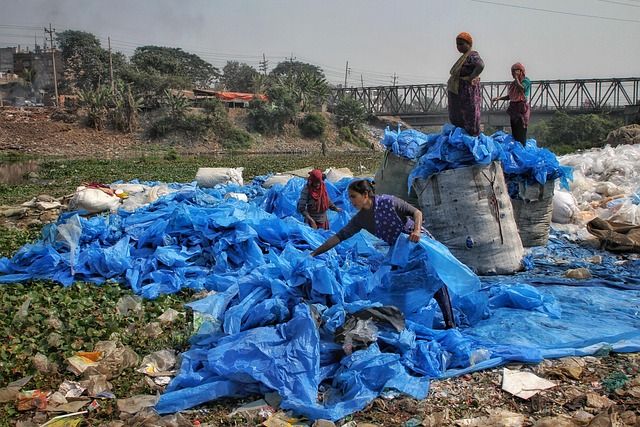
A landfill leachate treatment facility in a densely populated area faced challenges in managing the high volume of concentrated leachate. The facility installed a DTRO system to treat the leachate and achieve ZLD. The system effectively removed 98% of the dissolved solids and organic matter, reducing the leachate volume by 90%. The treated water was reused for site operations, such as dust suppression and landfill irrigation, while the concentrated brine was managed through evaporation and crystallization processes. This solution not only reduced environmental risks but also lowered disposal costs for the facility.
Case Study 3: Industrial Wastewater Treatment in the Food Processing Industry
A food processing plant implemented a DTRO system to treat its wastewater and achieve water reuse. The plant processed around 5,000 cubic meters of wastewater daily, which contained high levels of dissolved solids and organic matter. The DTRO system achieved a recovery rate of 92%, and the treated water was reused in the plant's cooling and cleaning processes. This implementation reduced the plant's freshwater consumption by 30% and helped it meet regulatory requirements for water discharge. The project also improved the plant's overall water management and sustainability practices.
Challenges and Considerations
Initial Investment
The initial investment for DTRO systems can be substantial, which may pose a barrier for some municipalities and industries. However, the long-term benefits, including lower operational and maintenance costs, often justify the initial expense. Financing options such as grants, subsidies, and public-private partnerships can help mitigate these costs and make DTRO more accessible.
System Maintenance and Monitoring
While DTRO systems are designed to be robust and resistant to fouling, regular maintenance and monitoring are essential to ensure optimal performance. This includes periodic cleaning of the membranes, monitoring system pressures, and adjusting chemical dosing as needed. Training personnel to operate and maintain the system is also crucial for minimizing downtime and maximizing efficiency.
Scalability and Flexibility
DTRO systems are highly scalable and flexible, making them suitable for a wide range of wastewater treatment applications. They can be easily integrated into existing treatment facilities and can handle changes in wastewater composition and flow rates. This flexibility is particularly valuable for industries with variable wastewater streams, such as food processing and mining.
Conclusion
Disc tube reverse osmosis (DTRO) is a game-changing technology in municipal and industrial wastewater treatment, offering high recovery rates, cost-effectiveness, and environmental sustainability. By effectively treating complex wastewater streams, including landfill leachate and industrial wastewater, DTRO can help achieve zero liquid discharge (ZLD) and promote water reuse practices. Real-world implementations have demonstrated the potential of DTRO to enhance water management and support sustainable development. As water scarcity continues to be a global concern, DTRO is poised to play a crucial role in the future of wastewater treatment and reuse.
- High recovery rates and low operational costs
- Effective treatment of high-contaminant wastewater streams
- Contribution to environmental sustainability and regulatory compliance
- Scalability and flexibility for diverse applications