

Innovative Water Treatment Solutions for Landfills: A Focus on PFAS and Regulatory Compliance
Introduction
Landfills, essential components of waste management infrastructure, face growing challenges with leachate contamination, particularly from per- and polyfluoroalkyl substances (PFAS). As regulatory frameworks tighten, landfill operators are seeking innovative solutions to ensure compliance and protect environmental and public health. This article explores the current landscape of water treatment solutions for landfills, highlighting key developments and regulatory considerations.
Regulatory Compliance and Proactive Measures
getting ahead of leachate regulations: a 2026 checklist for landfills
According to a recent article in Waste Today, landfill operators are being urged to prepare for upcoming leachate regulations by 2026. The checklist includes steps such as upgrading treatment systems, enhancing monitoring protocols, and implementing advanced leachate management practices. These measures are crucial to prevent contamination and ensure compliance with stricter environmental standards.
PFAS Contamination and Landfill Challenges
Maine Bans PFAS-Contaminated Sludge on Farmland
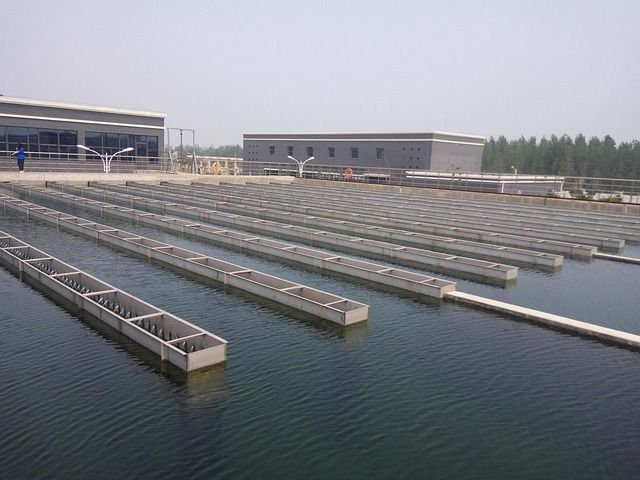
Maine became the first state to ban the spreading of PFAS-contaminated sludge on farmland in 2025, as reported by sentientmedia.org. This move has significant implications for landfill management, as sludge that was previously used for agricultural purposes is now filling up landfills. Landfill operators must adapt to this new reality by managing the increased volume of sludge and addressing the potential environmental risks associated with PFAS.
Montrose Environmental's PFAS Remediation Efforts
In response to the PFAS challenge, Montrose Environmental is developing “future-proof” remediation solutions, as highlighted in a report by Waste Dive. The company is focusing on advanced technologies that can efficiently remove PFAS from landfill leachate, ensuring long-term compliance and sustainability. These efforts are particularly important given the increasing regulatory scrutiny and public concern over PFAS contamination.
Historical Context and Ongoing Issues
Chemical Leaks from a 1980s Landfill in Chester County
A landfill that was shut down in the 1980s in Chester County, Pennsylvania, has been leaking chemicals into the local well water, as reported by Inquirer.com. This long-standing issue underscores the need for robust and sustainable water treatment solutions that can address legacy contamination. In response, the county is planning to install a public water line next year to provide residents with a safe water supply. This case highlights the ongoing challenges and the importance of continuous monitoring and treatment in landfill management.

Broader Environmental Impact
Cruise Season and Ocean Pollution
While not directly related to landfills, a recent article in The Invading Sea emphasizes the broader issue of waste management and environmental protection. The cruise industry’s seasonal waste production can lead to significant ocean pollution, which serves as a reminder of the interconnected nature of environmental challenges. Effective water treatment and waste management practices are essential across various sectors to prevent pollution and safeguard natural resources.
Conclusion
The landscape of water treatment solutions for landfills is evolving rapidly, driven by regulatory changes and the need to address PFAS contamination. Landfill operators must proactively implement advanced treatment technologies and management practices to ensure compliance and protect the environment. The historical and ongoing issues, such as the chemical leaks in Chester County, highlight the importance of these efforts. As regulations continue to tighten, innovative and sustainable solutions will be crucial for the future of landfill management.
📰 参考来源
- Getting ahead of leachate regulations: A 2026 checklist for landfills - Waste Today (Thu, 22 Jan 2026)
- Cruise season shouldn’t mean turning our oceans into dump sites - The Invading Sea (Mon, 23 Mar 2026)
- Maine Was First to Ban Spreading PFAS-Contaminated Sludge on Farmland. Now Sludge Is Filling up Landfills. - sentientmedia.org (Fri, 28 Nov 2025)
- A landfill shutdown in the 1980s has been leaking chemicals into Chester County well water. Residents will get a public water line next year. - Inquirer.com (Fri, 03 Apr 2026)
- Montrose Environmental looks to ‘future-proof’ PFAS remediation amid regulations - Waste Dive (Mon, 07 Jul 2025)
❓ FAQ
What are the main challenges landfills face with leachate contamination?
Landfills face growing challenges with leachate contamination, especially from per- and polyfluoroalkyl substances (PFAS), which can pose significant risks to environmental and public health.
What specific steps does the 2026 checklist suggest for landfill operators to prepare for upcoming leachate regulations?
The 2026 checklist for landfill operators includes upgrading treatment systems, enhancing monitoring protocols, and implementing advanced leachate management practices to prevent contamination and ensure compliance with stricter environmental standards.
What is a significant implication of Maine's ban on PFAS-contaminated sludge for landfill management?
Maine's ban on spreading PFAS-contaminated sludge on farmland has significant implications for landfill management, as it means that this sludge is now filling up landfills, leading to increased volumes that operators must manage.
When did Maine implement the ban on PFAS-contaminated sludge spreading on farmland?
Maine implemented the ban on spreading PFAS-contaminated sludge on farmland starting in 2025.
Why is it important for landfill operators to adapt to the new reality of increased sludge volume and PFAS contamination?
It is important for landfill operators to adapt to the new reality of increased sludge volume and PFAS contamination to manage the environmental impact effectively, comply with regulatory requirements, and protect public health.