
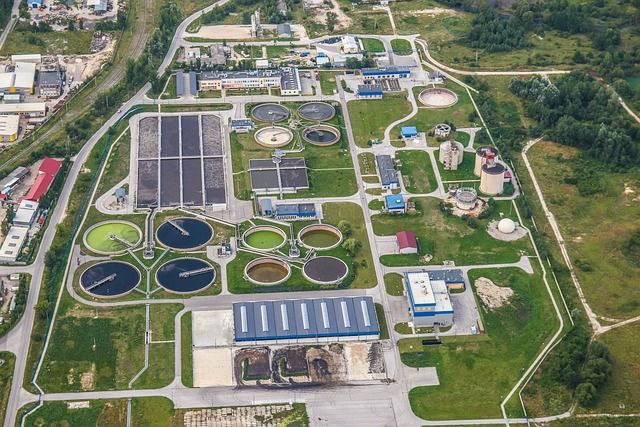
Wastewater Management Challenges Persist: A Closer Look at Recent Developments
Introduction
In recent weeks, the wastewater management industry has faced a series of challenges and controversies. From educational tours to significant pollution issues, these events highlight the ongoing complexities in managing and treating wastewater effectively. This article provides an overview of the key developments and their implications for the industry.
Community Engagement in Wastewater Management
Educational Tours for Students
A group of 5th graders from Superior, Wisconsin, recently visited the Superior Wastewater Treatment Plant as part of an educational program. This initiative aims to raise awareness among young students about the importance of proper wastewater management and the processes involved in treating and recycling water. The tour included detailed explanations of how the plant operates and the role it plays in protecting the local environment (fox21online.com, Thu, 30 Apr 2026).
Challenges in Wastewater Treatment
Marine Protected Areas under Threat
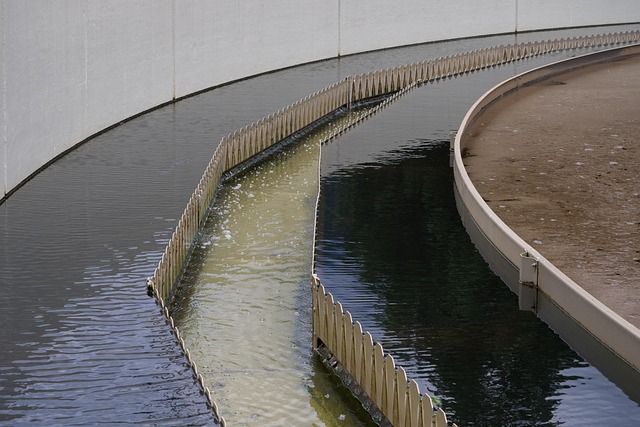
According to a recent report by Mongabay, nearly three-quarters of marine protected areas (MPAs) are compromised by wastewater pollution. This alarming statistic underscores the urgent need for more stringent regulations and advanced treatment technologies to prevent the degradation of these vital ecosystems. The pollution not only affects marine life but also poses significant risks to human health and the overall environment (news - Mongabay, Wed, 29 Apr 2026).
Legal and Operational Issues
In New Market, Alabama, residents have filed a lawsuit to halt the construction of a new wastewater treatment plant. The lawsuit alleges that the plant will have a negative impact on the local community, including environmental degradation and decreased property values. This legal action highlights the growing public concern over the potential adverse effects of wastewater facilities (WAFF, Thu, 30 Apr 2026).
Meanwhile, in Milwaukee, a whistleblower has accused the Milwaukee Metropolitan Sewerage District (MMSD) of not operating a wastewater facility at its peak capacity. The allegations suggest that the facility is underperforming, which could lead to increased sewage overflows and more pollution. The Metropolitan Sewerage District Coalition, a local advocacy group, has also raised concerns about the MMSD's operations, claiming that they are causing larger sewage overflows (WTMJ, Fri, 01 May 2026).
Regulatory and Environmental Impact

Larger Sewage Overflows and Pollution
The MMSD operator has been charged by a coalition of environmental groups with causing larger sewage overflows and more pollution. These overflows can have severe consequences, including water contamination and health risks for local residents. The coalition's charges emphasize the need for transparent and accountable management practices in wastewater treatment facilities (Urban Milwaukee, Thu, 30 Apr 2026).
Conclusion
The wastewater management industry continues to face significant challenges, from environmental pollution to legal disputes and operational inefficiencies. Community engagement and education, such as the tour in Superior, are crucial steps in raising awareness and fostering a better understanding of the importance of effective wastewater management. However, these efforts must be accompanied by robust regulatory oversight and technological innovations to address the pressing issues facing the industry and protect our natural resources.
📰 参考来源
- Superior 5th graders tour the Superior Wastewater Treatment Plant - fox21online.com (Thu, 30 Apr 2026)
- MMSD Operator Causing Larger Sewage Overflow, More Pollution, Coalition Charges - Urban Milwaukee (Thu, 30 Apr 2026)
- Nearly three in four marine protected areas undermined by wastewater pollution - news - Mongabay (Wed, 29 Apr 2026)
- New Market residents file lawsuit to stop wastewater treatment plant - WAFF (Thu, 30 Apr 2026)
- Whistleblower alleges MMSD wastewater facility not running at peak capacity - WTMJ (Fri, 01 May 2026)
❓ FAQ
What recent initiative has been taken to educate young students about wastewater management?
A group of 5th graders from Superior, Wisconsin, visited the Superior Wastewater Treatment Plant as part of an educational program to raise awareness about the importance of proper wastewater management and the processes involved in treating and recycling water.
What percentage of marine protected areas are affected by wastewater pollution?
According to a recent report by Mongabay, nearly three-quarters of marine protected areas (MPAs) are compromised by wastewater pollution.
Why is wastewater pollution in marine protected areas a cause for concern?
The pollution not only affects marine life but also poses significant risks to human health and the overall environment, highlighting the urgent need for more stringent regulations and advanced treatment technologies.
What is the main goal of the educational tours at wastewater treatment plants?
The main goal is to raise awareness among young students about the importance of proper wastewater management and the processes involved in treating and recycling water, including detailed explanations of how the plants operate and their role in environmental protection.
What are the implications of the recent developments in wastewater management for the industry?
The recent developments, including community engagement through educational tours and the threat to marine protected areas from pollution, underscore the ongoing complexities and the need for the industry to adopt more effective and advanced wastewater treatment practices and regulations.