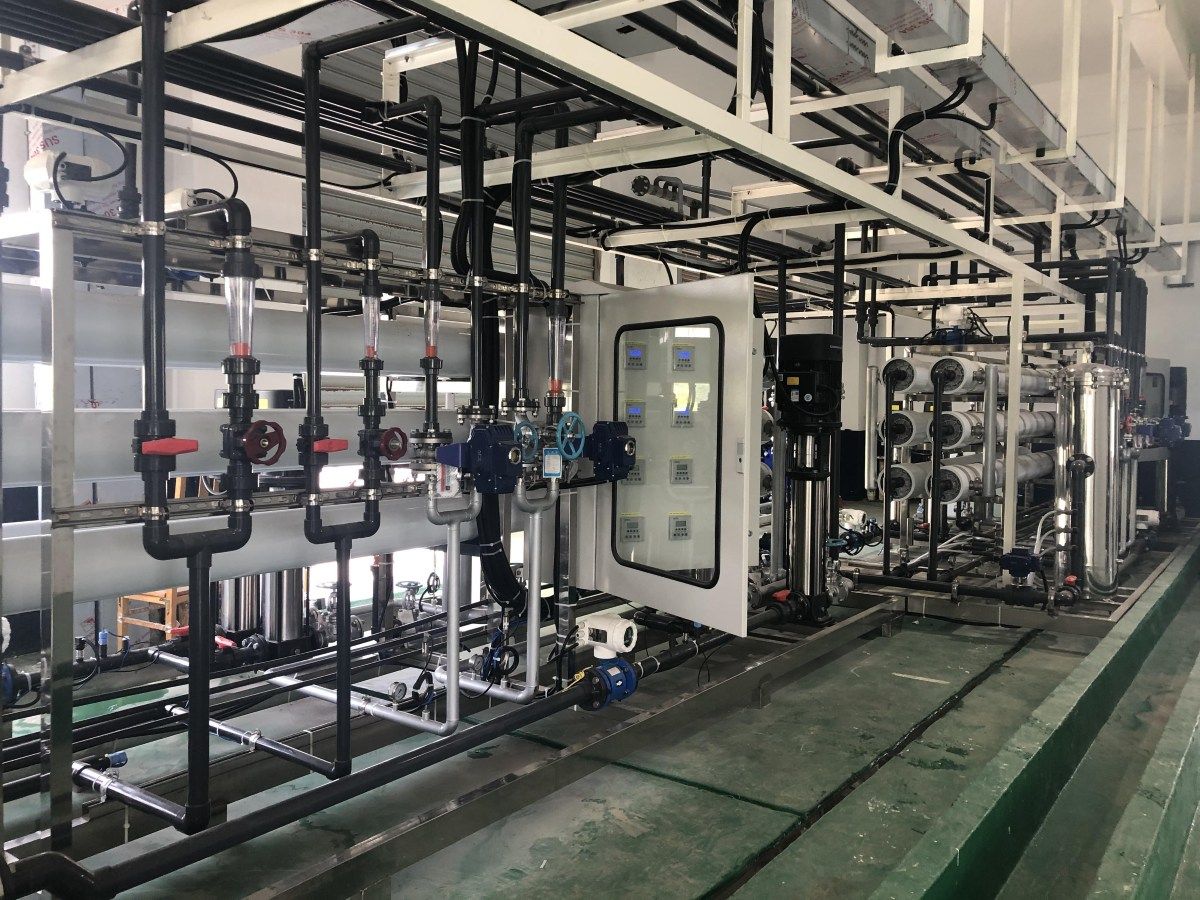

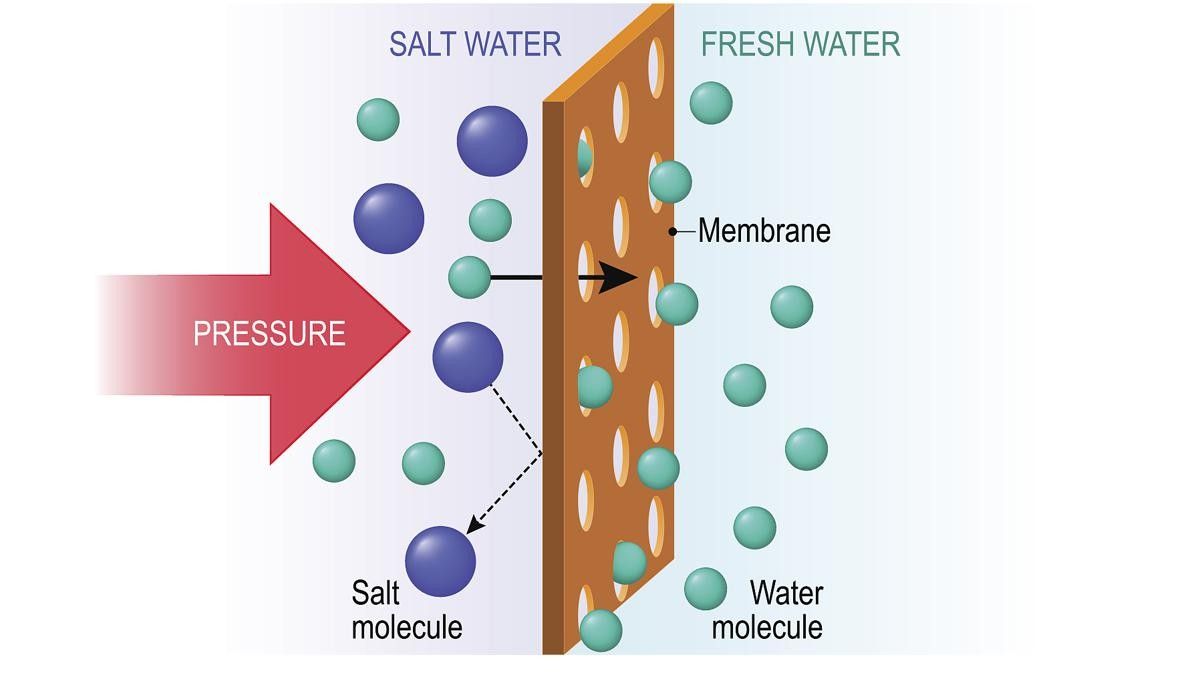
Principle image
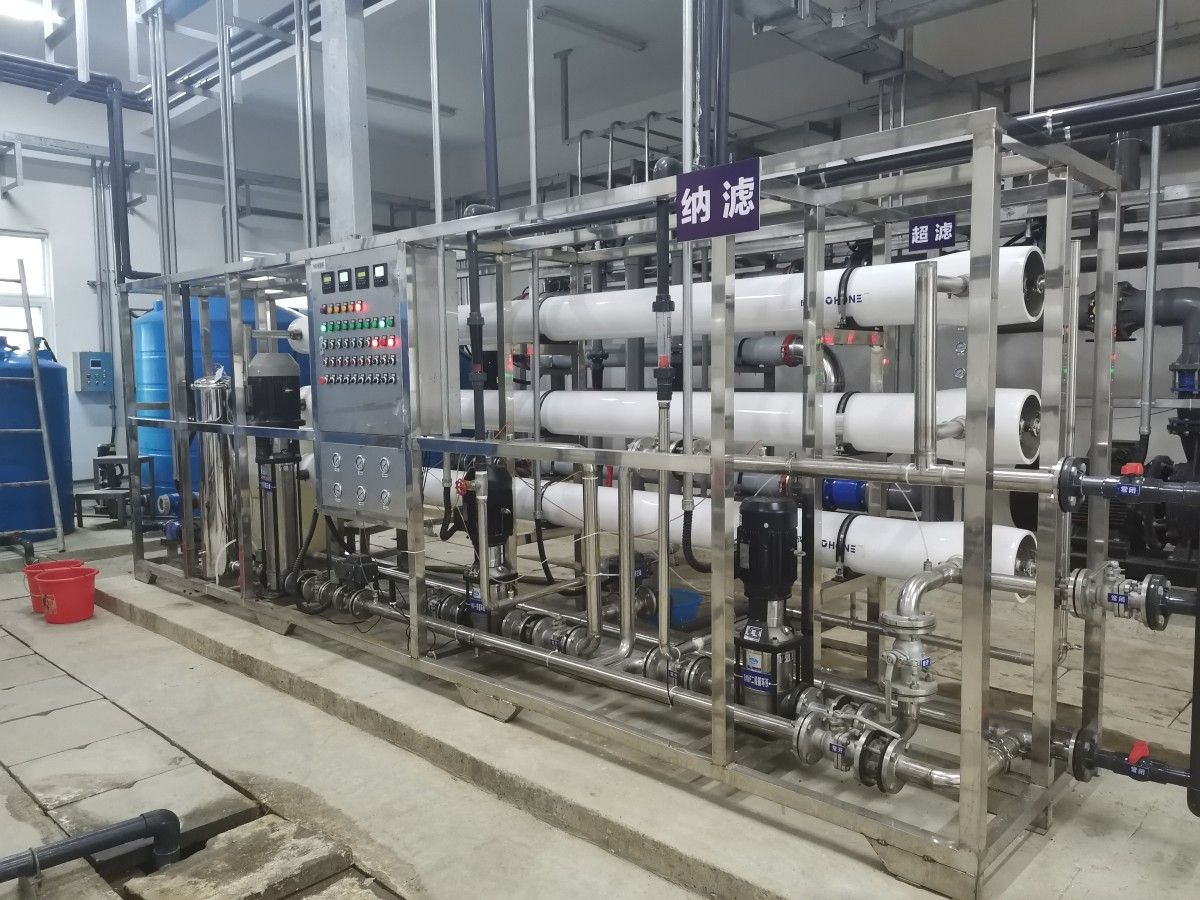
FLISTEC has introduced advanced nanofiltration membranes and, under the guidance of a team of university experts, has carried out special surface treatment on the introduced membranes, resulting in a stable molecular weight cut-off of 200-240 daltons and a 10% increase in flux.
In response to the characteristics of high concentration organic wastewater, garbage leachate, zero discharge f salt and other wastewater, a 34mil wide
The optimization design of grid (or parallel) inlet channels, while increasing the number of membrane bags and shortening the membrane length, reduces the back pressure of water production,
Reduced fouling on the membrane surface, improved membrane operating efficiency, and reduced operating costs.
Product performance characteristics:
1. High removal rate of divalent ions
2. High removal rate of organic compounds, particularly efficient for leachate from garbage
3. Adopting a 34mil wide flow channel (diamond grid or parallel flow channel) reduces the impact of membrane fouling and enhances the effectiveness of membrane cleaning
4. Can perform effective chemical cleaning, with a tolerable cleaning pH range (PH1-12)
5. Shortening the length of the film bag, increasing the number of film bags in the design, improving the operational efficiency of the film, and effectively reducing operating costs
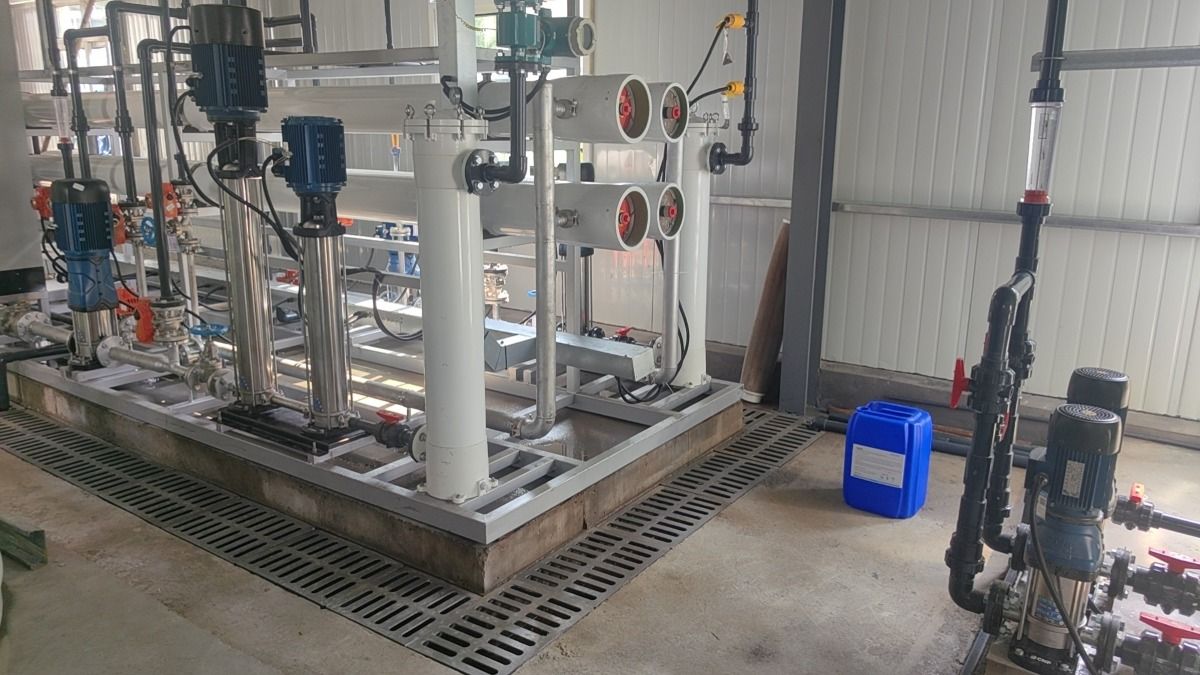
Note:
1. Parallel flow channels are only used for concentration of high concentration and high viscosity materials, such as protein separation concentration and starch concentration
2. Accept non-standard customization
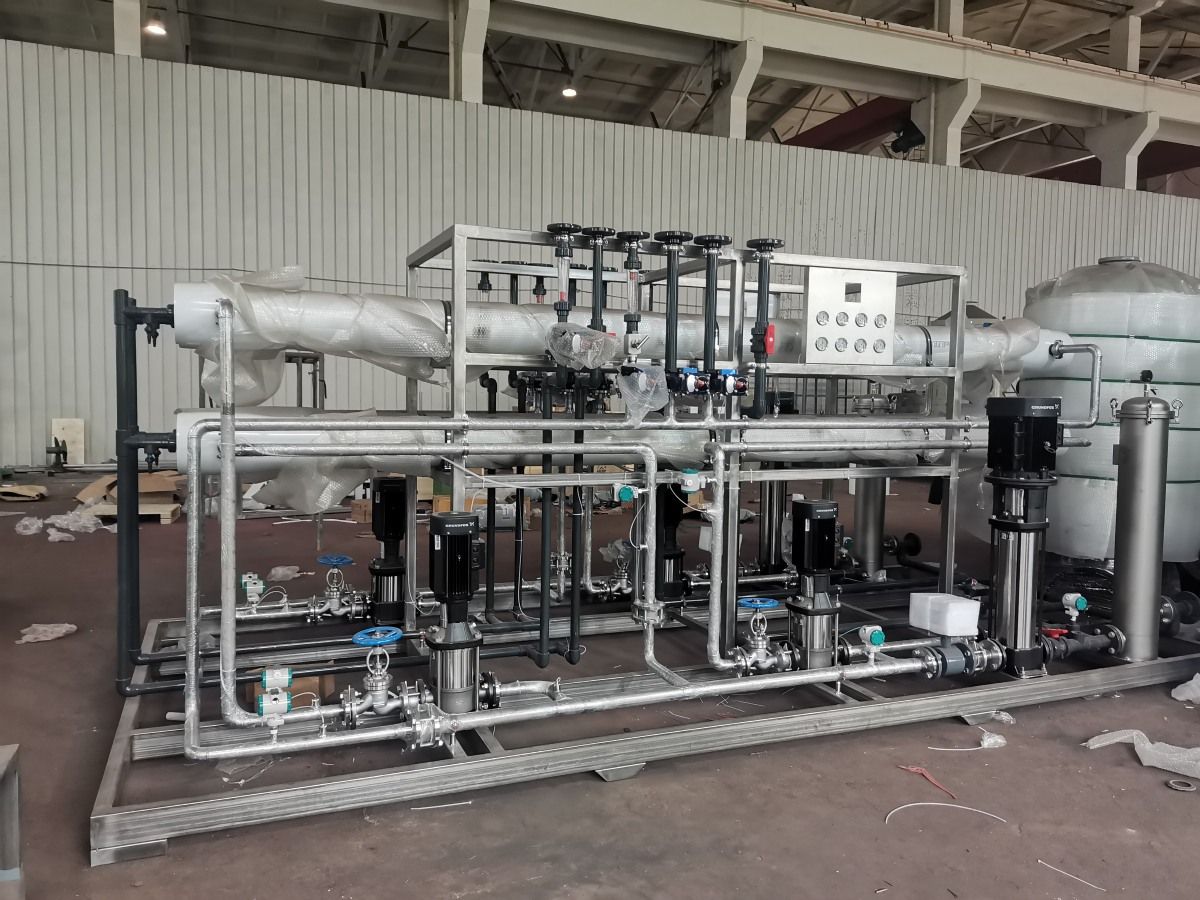
Experimental and non-standard customized nanofiltration (NF) membranes
FLISTEC has introduced advanced nanofiltration membranes and, under the guidance of a team of university experts, has carried out special surface treatment on the introduced membranes, resulting in a stable molecular weight cut-off of 200-240 daltons and a 10% increase in flux.
In response to the characteristics of high concentration organic wastewater, garbage leachate, zero discharge f salt and other wastewater, a 34mil wide
The optimization design of grid (or parallel) inlet channels, while increasing the number of membrane bags and shortening the membrane length, reduces the back pressure of water production,
Reduced fouling on the membrane surface, improved membrane operating efficiency, and reduced operating costs.
Product performance characteristics:
1. High removal rate of divalent ions
2. High removal rate of organic compounds, particularly efficient for leachate from garbage
3. Adopting a 34mil wide flow channel (diamond grid or parallel flow channel) reduces the impact of membrane fouling and enhances the effectiveness of membrane cleaning
4. Can perform effective chemical cleaning, with a tolerable cleaning pH range (PH1-12)
5. Shortening the length of the film bag, increasing the number of film bags in the design, improving the operational efficiency of the film, and effectively reducing operating costs
| NF Membrane Specification | NF-8040F34 | NF-8040P34 |
| Membrane Area | 40 ㎡ | 37 ㎡ |
| Flow Channel | Diamond Grid 34 mil | Parallel Grid 34 mil |
| Operating Pressure | 100 psi | |
| Max Operating Pressure | 600 psi | |
| Stable Desalination Rate | 97% | |
| Recovery Rate | 15% | |
| pH Range (Continuous) | 2-11 | |
| Cleaning pH Range | 1-12 | |
| Water Production (GPD) | 13,000 (48.9 m³/d) | 12,500 (47.0 m³/d) |
| Testing Standard | 2000 ppm MgSO4 | 0.48 MPa | 25℃ | |
| Application | Landfill leachate, wastewater recovery, salt separation | |
| MWCO | 200-240 Daltons |
| Membrane Area | 40 ㎡ / 37 ㎡ |
| Flow Channel | 34 mil (Diamond Grid / Parallel Grid) |
| Operating Pressure | 100 psi |
| Max Operating Pressure | 600 psi |
| Stable Desalination Rate | 97% |
| Recovery Rate | 15% |
| pH Range (Continuous) | 2-11 |
| Cleaning pH Range | 1-12 |
| Water Production | 13,000 GPD (48.9 m³/d) / 12,500 GPD (47.0 m³/d) |
| Testing Standard | 2000ppm MgSO4, 0.48MPa, 25℃ |
97% stable desalination rate for MgSO4
Surface-treated membrane with stable 200-240 dalton cut-off and 10% flux increase
34mil diamond grid or parallel flow channel, reduces fouling and back pressure
Cleaning pH range 1-12, effective chemical cleaning capability
Landfill leachate, wastewater recovery, salt separation, protein concentration
Supports non-standard customization for special requirements
Nanofiltration membranes are a type of semi-permeable membrane used for the separation of dissolved substances from water solutions. They work on the principle of size exclusion and charge repulsion. The membrane has pore sizes in the range of 1-10 nanometers, which allows it to effectively filter out larger molecules and ions, such as multivalent ions, while permitting smaller monovalent ions and water molecules to pass through. This process is particularly useful for softening water, removing natural organic matter, and reducing the total dissolved solids in water.
Nanofiltration membranes are widely used in various applications, including water treatment, food and beverage processing, pharmaceuticals, and chemical industries. In water treatment, they are used for the removal of hardness, natural organic matter, and color from water. In food and beverage processing, nanofiltration can be used to concentrate and deacidify fruit juices, remove impurities from wines, and separate lactose from whey in the dairy industry. Additionally, they are used in pharmaceuticals for the purification of drugs and in the chemical industry for the purification of various solutions.
Nanofiltration membranes have a unique performance profile when compared to other membrane technologies like reverse osmosis (RO) and ultrafiltration (UF). RO membranes typically have smaller pore sizes (around 0.1-1 nm) and can remove nearly all dissolved salts and organics, whereas nanofiltration membranes, with slightly larger pores (1-10 nm), are more permeable to monovalent ions and low molecular weight organics. This makes nanofiltration more efficient for applications requiring selective ion removal, such as water softening, while being less energy-intensive than RO. Ultrafiltration membranes, with even larger pore sizes (10-100 nm), are primarily used for removing larger particles, colloids, and high molecular weight substances, offering less filtration of dissolved ions compared to nanofiltration.
Several factors can affect the efficiency and lifespan of nanofiltration membranes. These include feed water quality, operating pressure, pH levels, temperature, and the presence of fouling substances. High levels of contaminants in the feed water can cause fouling, which reduces the membrane's permeability and efficiency. Maintaining optimal operating pressure and temperature can improve membrane performance and longevity. pH levels also play a crucial role, as extreme pH conditions can degrade the membrane material. Regular cleaning and maintenance, as well as using pretreatment methods to reduce incoming contaminants, are essential for extending the lifespan of nanofiltration membranes.
Nanofiltration membranes are generally not the primary choice for desalination of seawater due to their relatively larger pore sizes and the high concentration of dissolved salts in seawater. For seawater desalination, reverse osmosis (RO) membranes are more commonly used because they can remove nearly all dissolved salts and are designed to handle higher salinity levels. However, nanofiltration can be useful in conjunction with RO for pretreatment or post-treatment processes, such as removing specific contaminants or adjusting the water's pH and alkalinity before or after RO treatment.
© 2026 Torvexus. All Rights Reserved.