
| Material | 100% Polypropylene (PP Melt Blown) |
| Filter Type | Sediment / Depth Filter |
| Filtration Rating | 1μm / 5μm / 10μm / 20μm / 50μm (customizable) |
| Outer Diameter | 63mm / 65mm (customizable) |
| Application | Domestic & commercial water purification, RO pre-filtration, food & beverage processing, pharmaceutical production, chemical liquid filtration, electronics ultra-pure water, swimming pool & spa filtration, industrial wastewater pre-treatment |
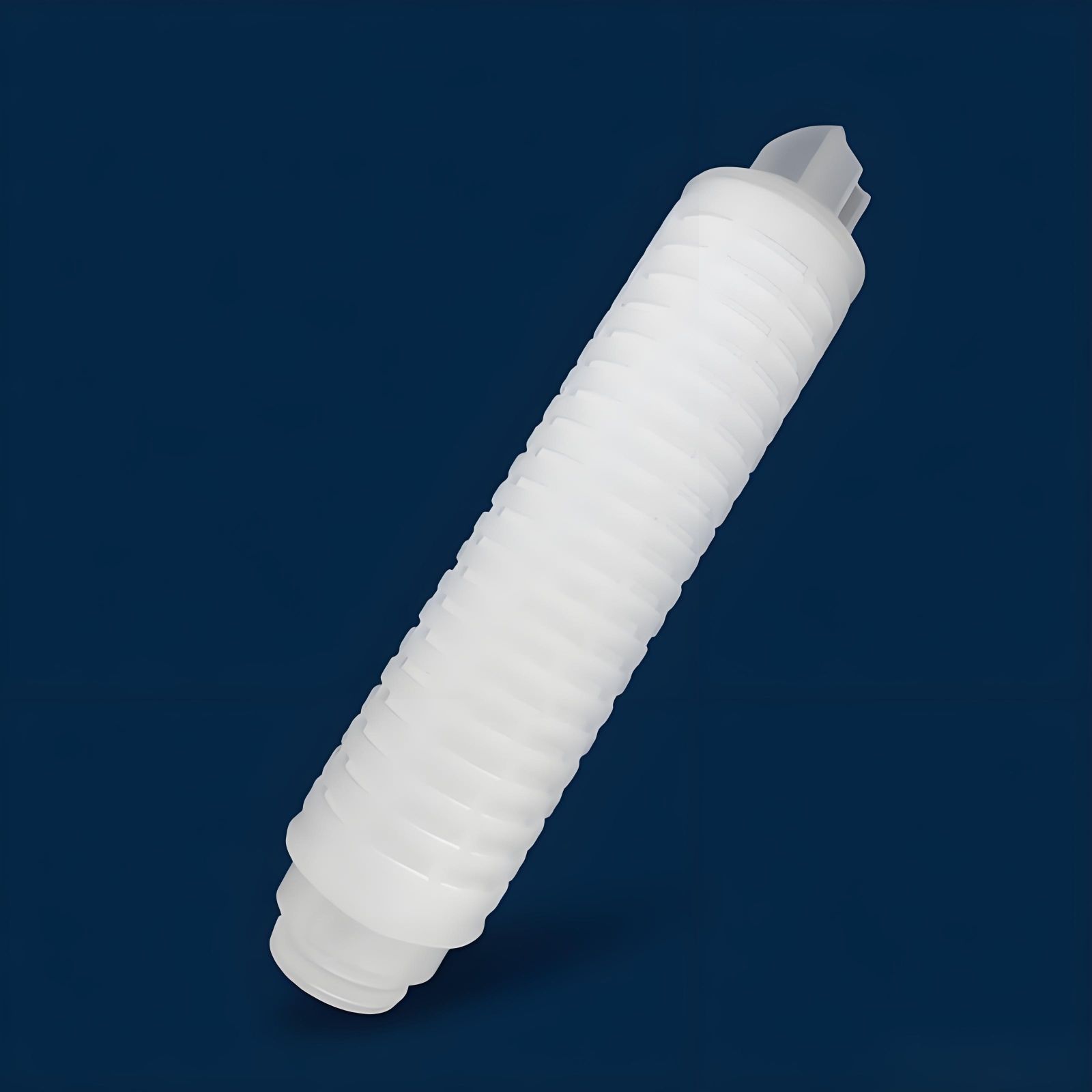
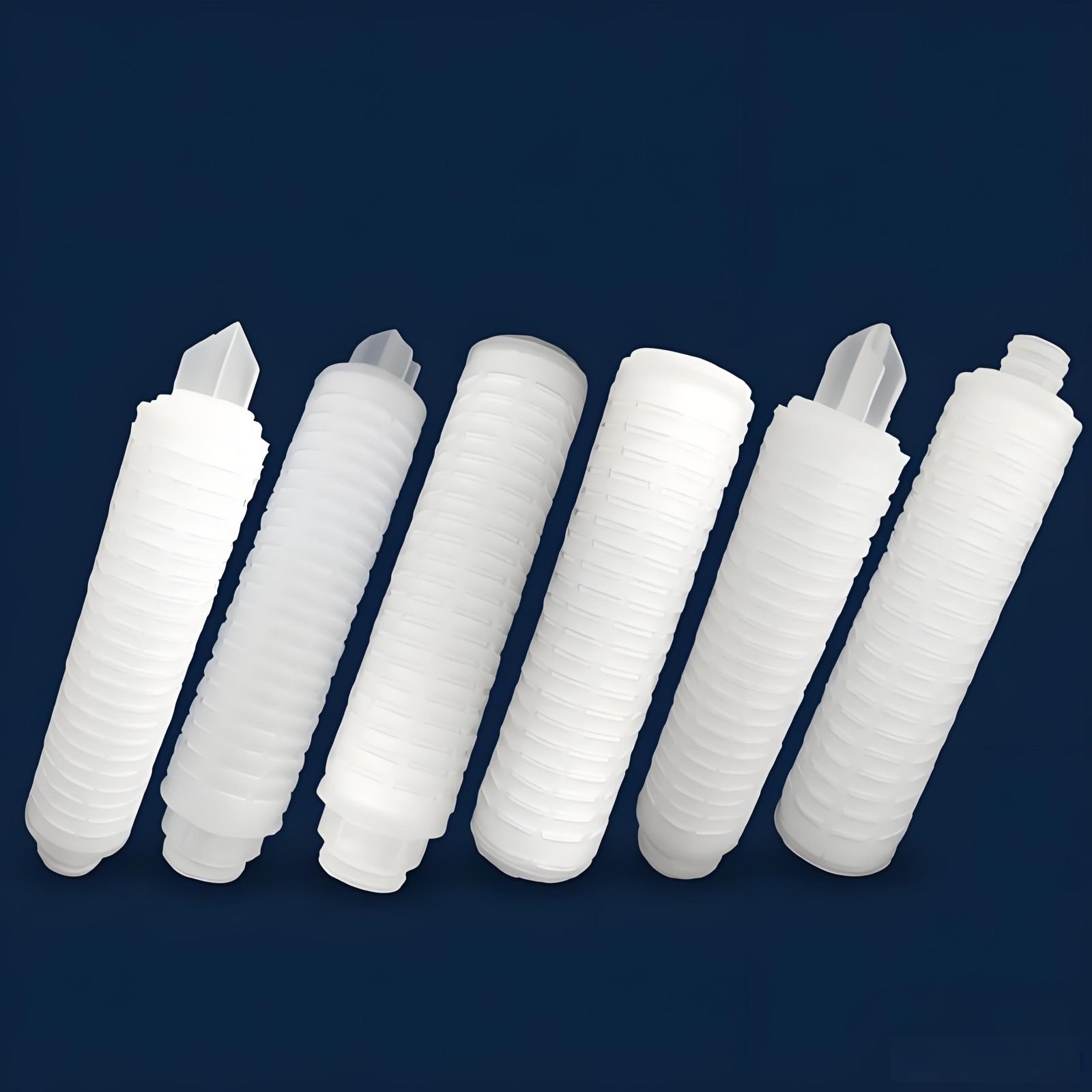
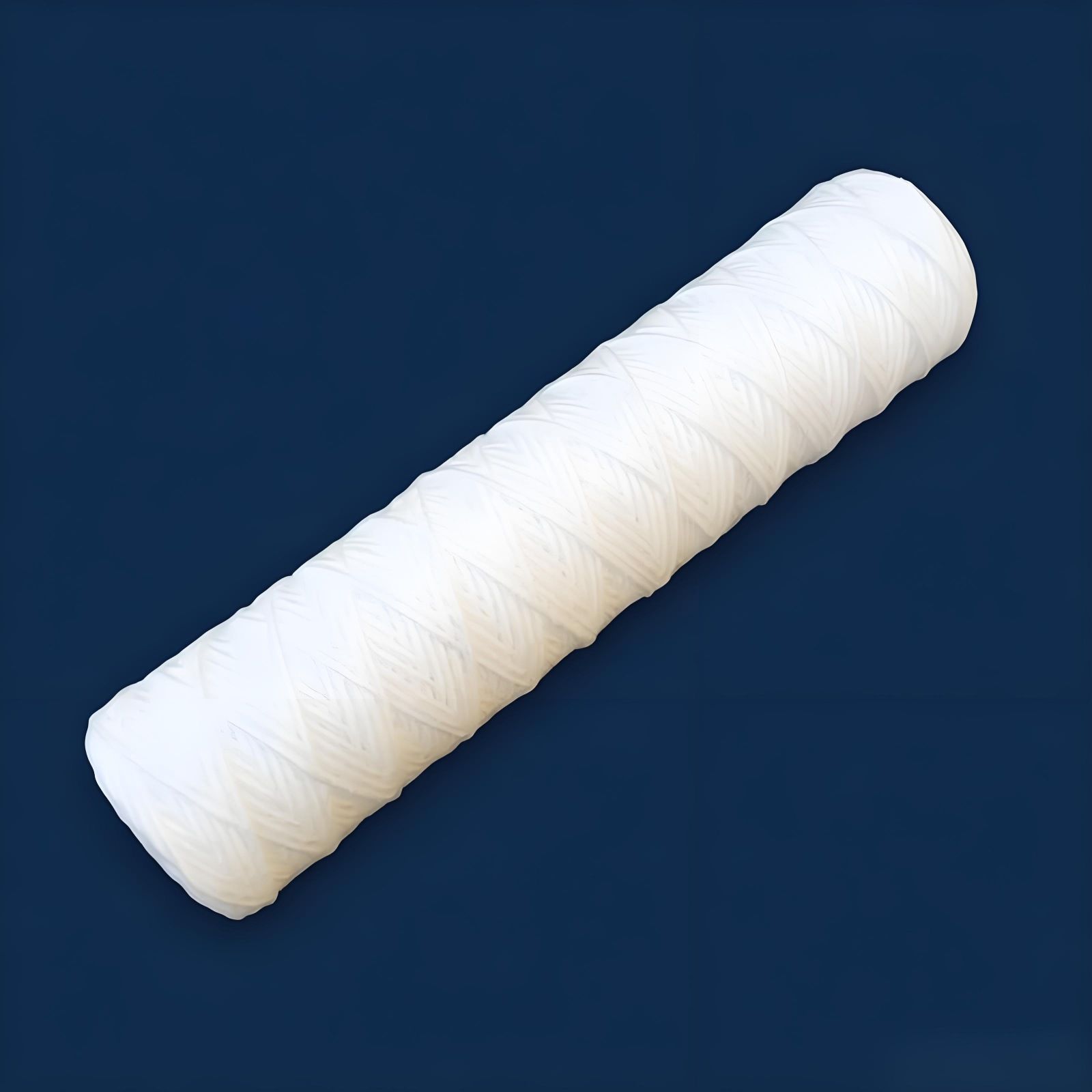
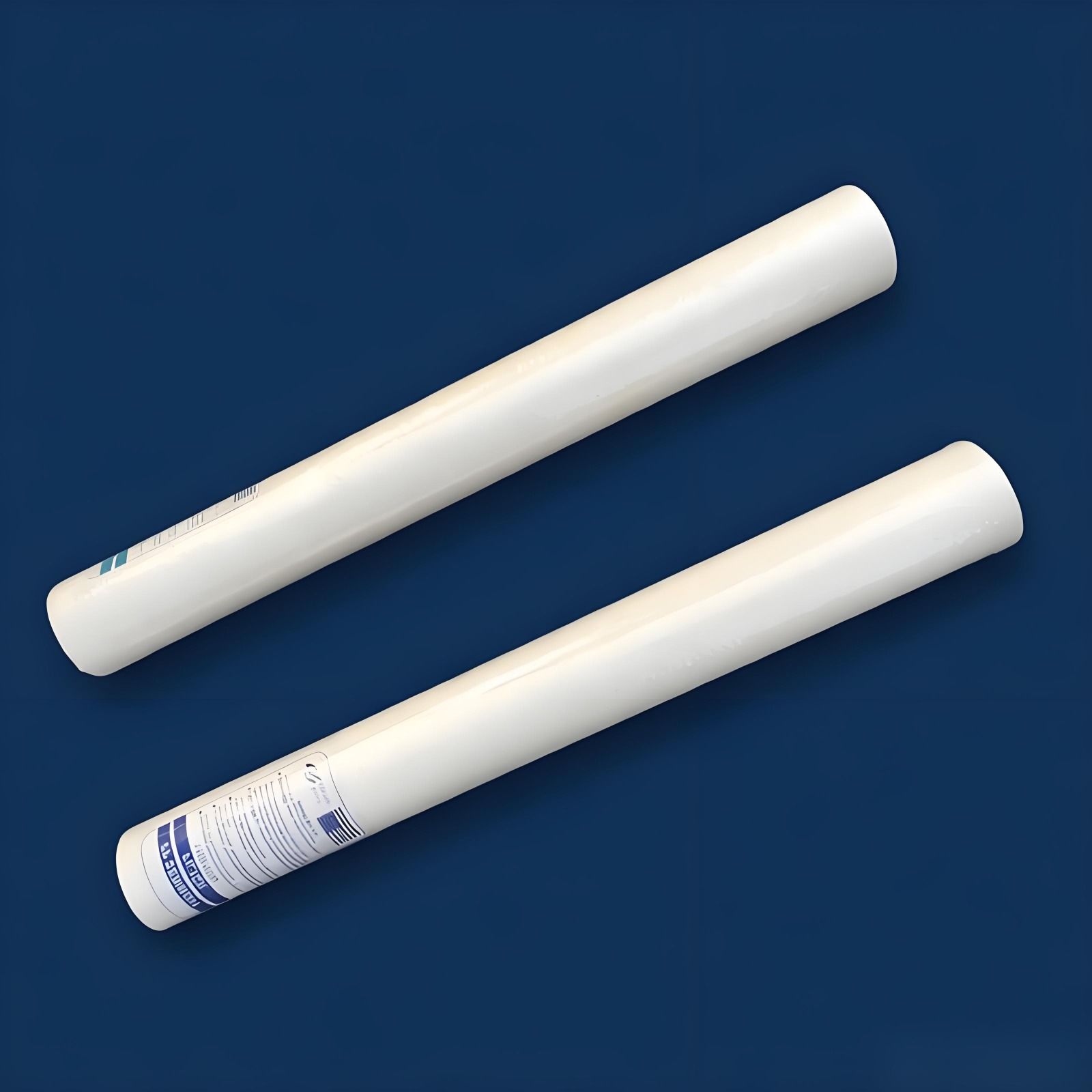
The PP Melt Blown Filter Cartridge is produced from 100% virgin polypropylene fibers using a thermal bonding melt-blown process, free of binders, additives, and lubricants. Its multi-layer gradient density structure features coarser fibers on the outside transitioning to finer fibers at the core, enabling true depth filtration that captures particles of varying sizes throughout the entire filter wall.
This design maximizes dirt-holding capacity, extends service life, and maintains low pressure drop during operation. Polypropylene offers excellent chemical compatibility, resisting acids, alkalis, alcohols, and most organic solvents across a pH range of 1 to 13.
| Material | 100% Polypropylene (PP Melt Blown) |
| Filter Type | Sediment / Depth Filter |
| Filtration Rating | 1μm / 5μm / 10μm / 20μm / 50μm (customizable) |
| Outer Diameter | 63mm / 65mm (customizable) |
| Application | Domestic & commercial water purification, RO pre-filtration, food & beverage processing, pharmaceutical production, chemical liquid filtration, electronics ultra-pure water, swimming pool & spa filtration, industrial wastewater pre-treatment |
A PP Melt Blown Filter Cartridge is a type of filtration device commonly used in water, air, and oil purification processes. It is made from polypropylene (PP) material through a melt-blown process, which creates a fine fiber structure with a large surface area. This structure effectively filters out contaminants, particulates, and impurities, ensuring that the output is clean and safe for use. PP Melt Blown cartridges are known for their high efficiency, durability, and cost-effectiveness in various industrial and commercial applications.
A PP Melt Blown Filter Cartridge operates on the principle of depth filtration. As the fluid or gas passes through the cartridge, the melt-blown polypropylene fibers trap particles and contaminants within the matrix. The fibers are arranged in a gradient density, with larger pores on the outer surface and progressively smaller pores towards the center. This design allows the cartridge to capture a wide range of particle sizes, from larger sediment to finer contaminants, ensuring efficient filtration. The cartridges are also designed to withstand high flow rates and pressures, making them suitable for continuous operation in demanding environments.
PP Melt Blown Filter Cartridges are widely used in various applications due to their versatility and effectiveness. Some common uses include water filtration in residential and commercial settings, air filtration in HVAC systems, and oil filtration in automotive and industrial machinery. They are also used in the food and beverage industry for the purification of liquids and gases, in pharmaceutical and chemical processes for the removal of impurities, and in semiconductor manufacturing for the filtration of ultra-pure water and gases. Their ability to handle different types of fluids and gases makes them a popular choice across many industries.
Yes, PP Melt Blown Filter Cartridges are often used for food-grade filtration. They are suitable for filtering various food and beverage products, such as water, juices, wines, and edible oils, because they can achieve high filtration efficiencies and are made from food-grade polypropylene material. This ensures that the cartridges do not introduce any contaminants or harmful substances into the filtered product. Additionally, many PP Melt Blown cartridges are designed to meet stringent food safety standards and can be certified for use in food processing applications.
The replacement frequency of PP Melt Blown Filter Cartridges depends on several factors, including the specific application, the flow rate, the type of contaminants being filtered, and the expected service life of the cartridge. In general, it is recommended to replace the cartridges when the pressure drop across the filter exceeds the manufacturer's specified limit, typically between 5-10 psi. Regular monitoring and maintenance are essential to ensure optimal performance. For applications with high levels of contaminants, more frequent replacements may be necessary. It's also a good practice to follow the manufacturer's guidelines and replace the cartridges at least once a year, even if they appear to be functioning well.
© 2026 Torvexus. All Rights Reserved.