
Advances in Membrane Bioreactor Systems: A Review of Recent Developments
Introduction
Membrane bioreactors (MBRs) have become a focal point in wastewater treatment and purification technologies due to their high efficiency and environmental friendliness. Recent studies and reviews have highlighted several advancements and critical considerations in MBR systems, particularly in the integration of nanomaterials, electrochemical processes, and sustainability assessments. This article provides an overview of these developments and their implications for the wastewater treatment industry.
Nanomaterials in MBR Systems
A study published in npj Clean Water critically reviews the application of nanomaterials in membrane bioreactors (NMs-MBR) for wastewater treatment. Nanomaterials, such as graphene oxide and metal-organic frameworks (MOFs), have shown significant potential in enhancing the performance of MBRs by improving membrane fouling resistance and microbial activity. The review discusses the advantages and challenges of using these advanced materials, providing a comprehensive analysis that can guide future research and development in the field.
Electrochemical Processes and MBRs
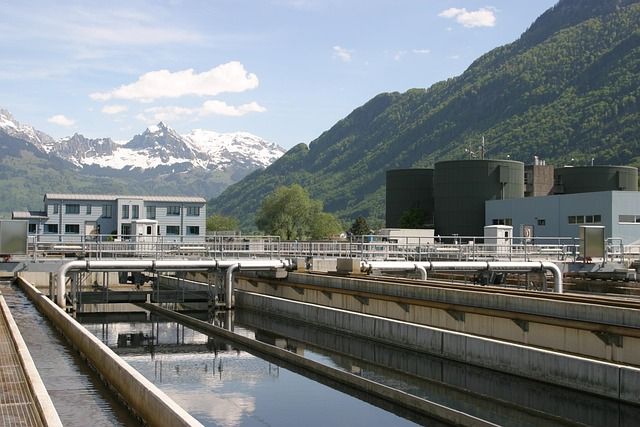
Another review, published in Frontiers, explores the combination of electrochemical processes with MBRs for wastewater treatment and fouling control. Electrochemical processes can effectively reduce organic and inorganic contaminants, and when integrated with MBRs, they can further enhance the system's overall efficiency. The review highlights various electrochemical techniques, their mechanisms, and the practical considerations for implementing these hybrid systems in real-world applications.
Sustainability Assessment of Sequential Anaerobic-Algal MBRs
A sustainability assessment of a sequential anaerobic-algal membrane bioreactor for wastewater reuse was conducted and published in ScienceDirect. This study evaluates the environmental and economic impacts of using anaerobic digestion followed by algal treatment in an MBR system. The findings indicate that this sequential process can significantly reduce energy consumption and greenhouse gas emissions while producing reusable water and valuable algal biomass.
Overcoming the Ethanol/Water Azeotrope
MBRs are also gaining attention in bioethanol purification, as highlighted in a review from Wiley Online Library. The ethanol/water azeotrope is a major challenge in bioethanol production, but advanced MBR technologies are being explored to overcome this issue. The review discusses various innovative approaches and their effectiveness, emphasizing the potential of MBRs in achieving high-purity bioethanol with reduced energy and water usage.
Application in Sewage Treatment
The practical application of MBRs in sewage treatment is detailed in an article from Filtration and Separation. MBRs are increasingly used to treat municipal wastewater due to their ability to achieve high-quality effluent and reduce the footprint of treatment facilities. The article provides insights into the operational parameters, maintenance requirements, and cost-effectiveness of MBRs in sewage treatment, underscoring their growing importance in modern water management practices.
Conclusion
The advancements in membrane bioreactor systems, particularly the integration of nanomaterials and electrochemical processes, are opening new avenues for more efficient and sustainable wastewater treatment. These technologies, along with the sequential anaerobic-algal MBR approach, offer promising solutions to some of the most pressing challenges in the industry, such as fouling, energy consumption, and the need for high-purity bioethanol. As research continues and practical applications expand, MBRs are expected to play a crucial role in the future of water and wastewater management.
📰 参考来源
- Overcoming the Ethanol/Water Azeotrope: A Review on Advanced Technologies for Bioethanol Purification - Wiley Online Library (Sun, 19 Oct 2025 07:00:00 GMT)
- A critical review on nanomaterials membrane bioreactor (NMs-MBR) for wastewater treatment - nature.com (Thu, 05 Nov 2020 08:00:00 GMT)
- Sustainability assessment of a sequential anaerobic-algal membrane bioreactor for wastewater reuse - ScienceDirect.com (Sat, 15 Jun 2024 20:43:42 GMT)
- Combination of Electrochemical Processes with Membrane Bioreactors for Wastewater Treatment and Fouling Control: A Review - Frontiers (Wed, 26 Jun 2024 07:11:20 GMT)
- Water and sewage: The membrane bioreactor in sewage treatment - Filtration and Separation (Mon, 11 Apr 2022 21:34:31 GMT)
❓ FAQ
What are membrane bioreactors (MBRs) and why are they important in wastewater treatment?
Membrane bioreactors (MBRs) are advanced wastewater treatment systems that combine a membrane process such as ultrafiltration or microfiltration with a suspended growth bioreactor. They are important because they offer high efficiency in treating and purifying wastewater, and are more environmentally friendly compared to traditional methods.
What is the role of nanomaterials in improving MBR systems?
Nanomaterials, such as graphene oxide and metal-organic frameworks (MOFs), are used in MBR systems to improve membrane fouling resistance and enhance microbial activity, thereby boosting the overall performance of the wastewater treatment process.
Can you provide an example of a recent study on the use of nanomaterials in MBRs?
A recent study published in npj Clean Water critically reviews the application of nanomaterials in membrane bioreactors (NMs-MBR) for wastewater treatment, discussing both the advantages and challenges of using these advanced materials in the systems.
How do electrochemical processes benefit MBR systems?
Electrochemical processes can significantly reduce organic and inorganic contaminants in wastewater. When integrated with MBR systems, they not only help in fouling control but also increase the overall efficiency of the treatment process.
What is the significance of sustainability assessments in the development of MBR systems?
Sustainability assessments are crucial in evaluating the environmental impact and economic viability of MBR systems. They help guide the integration of new technologies, like the use of nanomaterials and electrochemical processes, ensuring that advancements are both effective and sustainable.