
Innovations and Advancements in High Pressure Membrane Filtration Technology
Introduction
High pressure membrane filtration technology continues to evolve, driven by the need for more efficient and cost-effective water treatment and purification processes. Recent breakthroughs and research developments have significantly impacted the industry, offering new solutions to longstanding challenges. This article explores some of the latest advancements in high pressure membrane filtration, highlighting their potential benefits and applications.
Reducing Filtration Pressure and Energy Costs
A groundbreaking new ceramic membrane has been developed that can reduce filtration pressure by 80%, leading to substantial energy savings. This innovation, reported by R&D World on March 9, 2026, represents a significant leap forward in membrane technology. The ceramic membrane's advanced design allows for higher flow rates and better mechanical stability, making it particularly suitable for industrial water treatment and purification systems.
Low-Temperature, High-Impact Membrane Breakthrough

Researchers at King Abdullah University of Science and Technology (KAUST) have achieved a breakthrough in developing low-temperature, high-impact membranes. According to an article in Filtration and Separation on March 4, 2026, these membranes can operate at lower temperatures while maintaining high filtration efficiency. This development is particularly important for industries that require extensive cooling processes, such as pharmaceuticals and food processing, as it can reduce operational costs and environmental impact.
Optimizing Ultrafiltration in High Flux Dialyzers
A study published in Nature on July 5, 2025, investigated the critical ultrafiltration fluxes and transmembrane pressure in high flux dialyzers. The in vitro evaluation aimed to optimize the performance of these dialyzers, which are crucial in dialysis treatments for patients with kidney failure. The research highlighted the importance of precise control over transmembrane pressure to achieve optimal filtration rates and patient safety.
PFAS Removal in Drinking Water
The U.S. Environmental Protection Agency (EPA) has been working on technologies to reduce per- and polyfluoroalkyl substances (PFAS) in drinking water. A report from the EPA, published on August 23, 2018, outlined several treatment technologies, including high pressure membrane filtration, that are effective in removing PFAS from water supplies. These technologies are essential for ensuring the safety and quality of drinking water, addressing a growing public health concern.
Strategies for Improving Membrane Performance in Wastewater Treatment
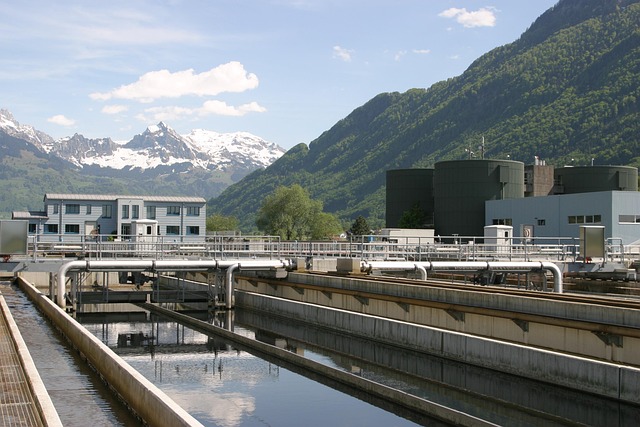
A scientific review published in ScienceDirect.com on July 1, 2022, discussed strategies to enhance membrane performance in wastewater treatment. The review highlighted the use of high pressure membrane filtration as a key method for improving the efficiency of wastewater treatment plants. Techniques such as fouling mitigation, chemical cleaning, and advanced materials were explored to extend membrane lifespan and reduce maintenance costs.
📰 参考来源
- New ceramic membrane cuts filtration pressure by 80%, slashes energy costs - R&D World (March 9, 2026)
- KAUST’s low-temperature, high-impact membrane breakthrough - Filtration and Separation (March 4, 2026)
- In vitro evaluation of critical ultrafiltration fluxes and transmembrane pressure in a high flux dialyzer - Nature (July 5, 2025)
- Reducing PFAS in Drinking Water with Treatment Technologies - U.S. Environmental Protection Agency (.gov) (August 23, 2018)
- Strategies to improve membrane performance in wastewater treatment - ScienceDirect.com (July 1, 2022)
❓ FAQ
What is the primary driving force behind the evolution of high pressure membrane filtration technology?
The primary driving force behind the evolution of high pressure membrane filtration technology is the need for more efficient and cost-effective water treatment and purification processes.
What significant innovation has been reported by R&D World in March 2026 regarding membrane technology?
A groundbreaking new ceramic membrane that can reduce filtration pressure by 80% has been reported by R&D World in March 2026, leading to substantial energy savings.
How does the new ceramic membrane contribute to industrial water treatment systems?
The new ceramic membrane contributes to industrial water treatment systems by allowing for higher flow rates and better mechanical stability, which makes it particularly suitable for such applications and helps in reducing operational costs.
What is the key benefit of the low-temperature, high-impact membranes developed by KAUST?
The key benefit of the low-temperature, high-impact membranes developed by KAUST is that they can operate at lower temperatures while maintaining high filtration efficiency, which is especially advantageous for industries requiring extensive cooling processes like pharmaceuticals and food processing.
Why is the reduction in temperature for membrane operation significant in certain industries?
The reduction in temperature for membrane operation is significant in certain industries because it can help reduce energy costs associated with cooling processes, which are essential in sectors like pharmaceuticals and food processing, thereby improving overall efficiency and economic viability.