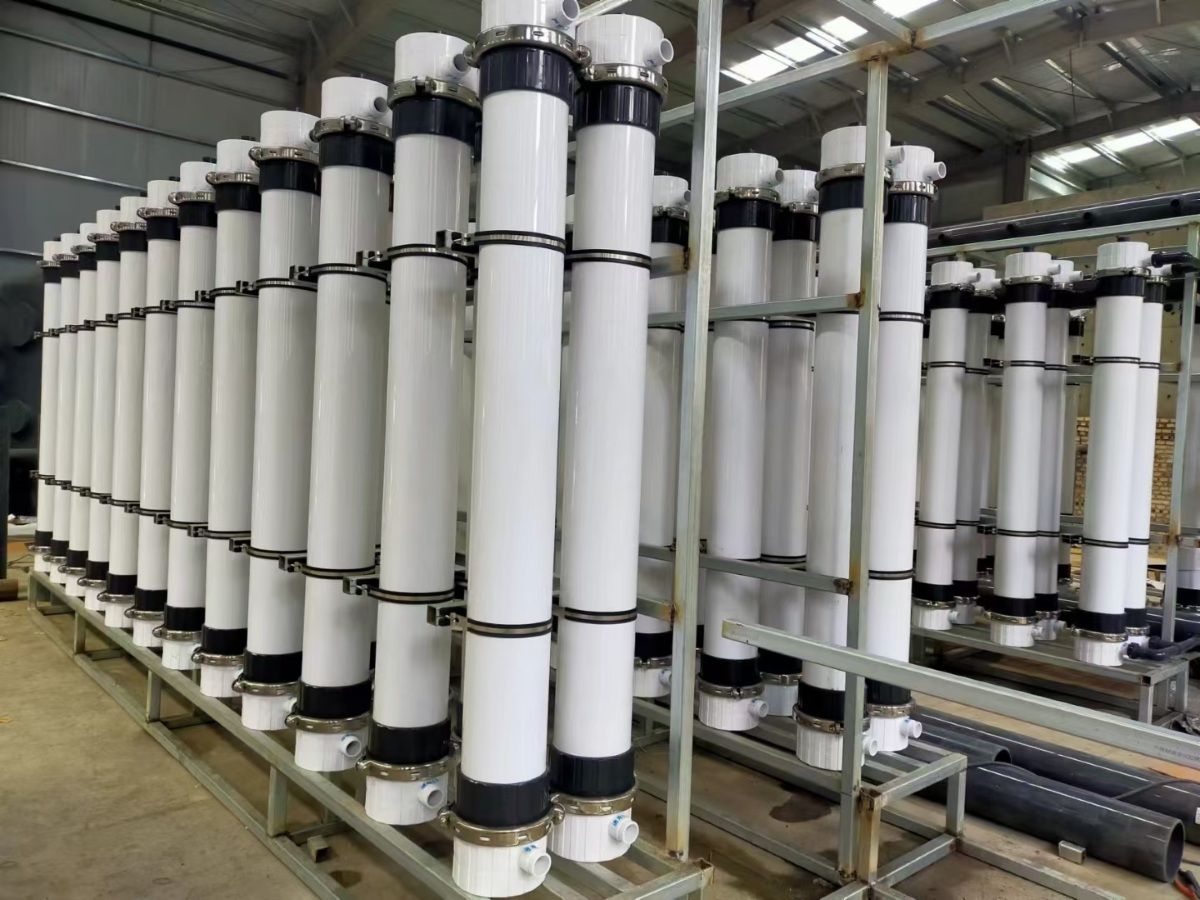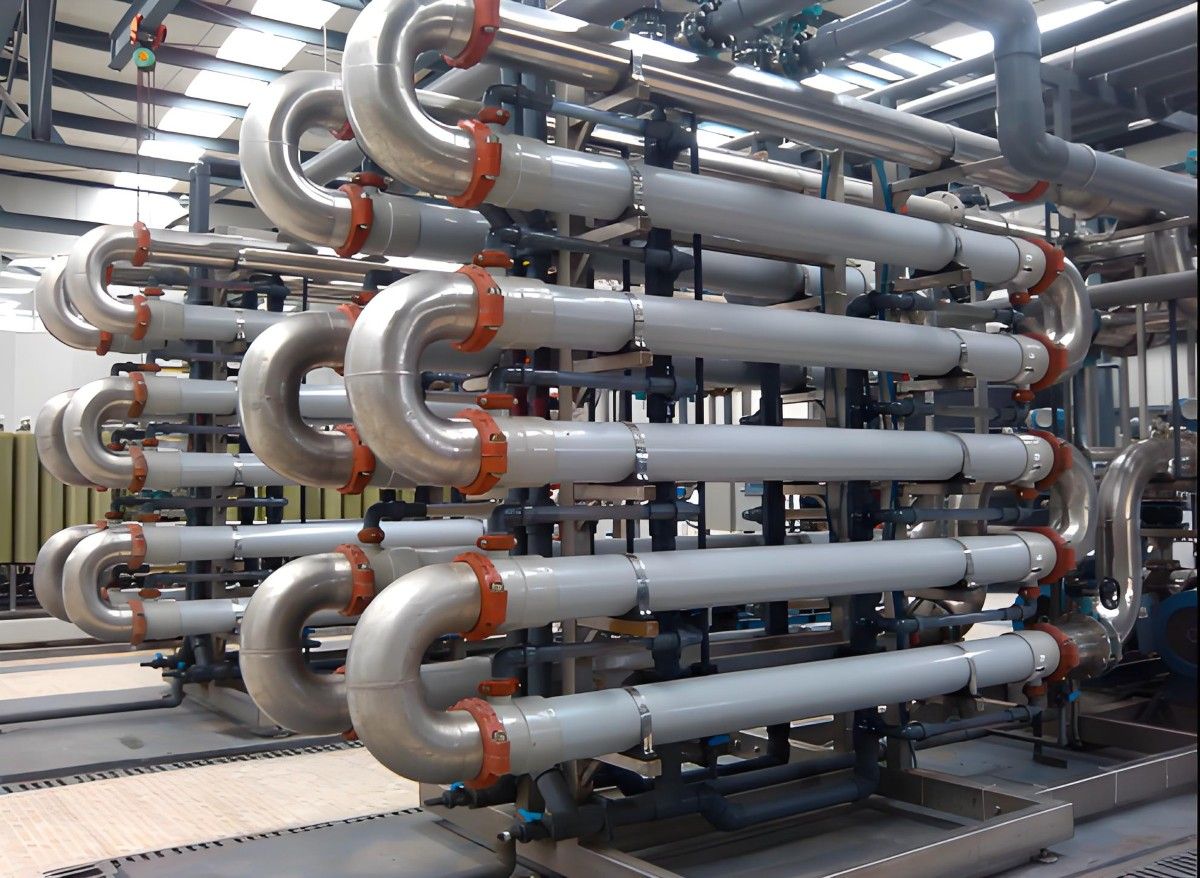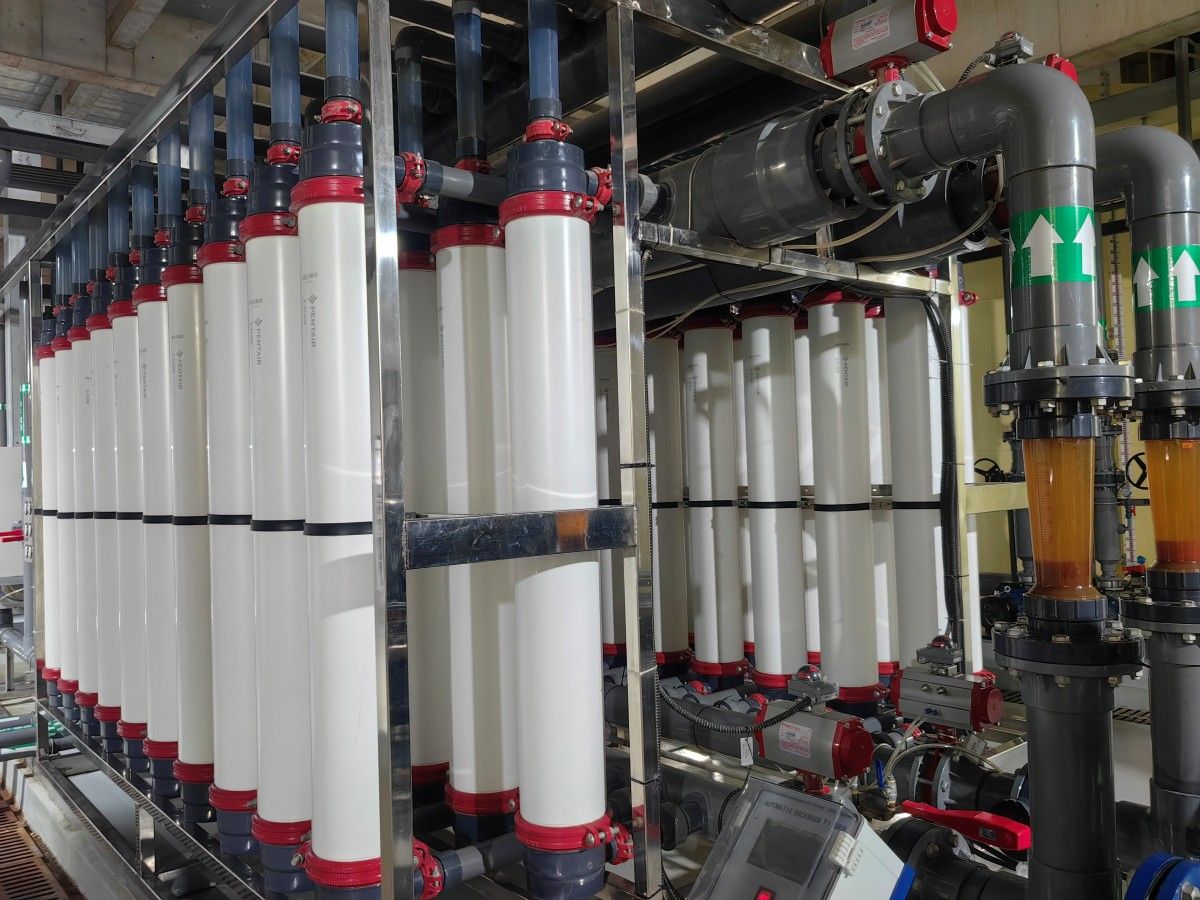

Product Introduction
This internal pressure ultrafiltration membrane element is built on hydrophilic hollow fiber technology, composed of a polyethersulfone (PES) and polyvinylpyrrolidone (PVP) blend. Operating in dead-end filtration mode, it delivers exceptional mechanical and chemical strength suitable for a wide range of applications. The internal pressure configuration is the industry-preferred choice for effective removal of bacteria, viruses, suspended solids, and colloids.
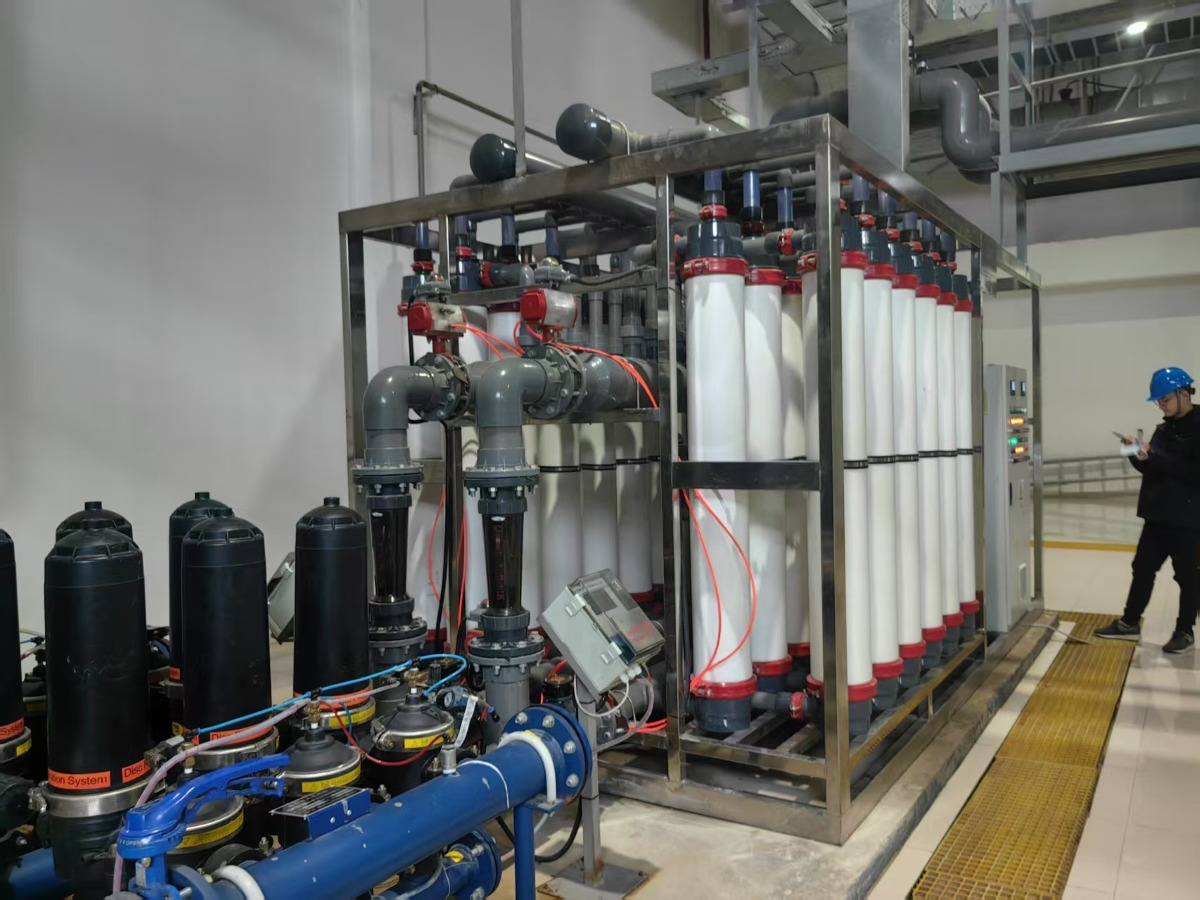
Characteristics
Mechanical removal of microorganisms — no chemical disinfectants required
99.9999% (LOG 6) bacteria reduction (Pseudomonas diminuta)
99.99% (LOG 4) virus reduction (MS2 E. coli phage) — EPA Est. No. 090374-NLD-001
Highest membrane packing density: smallest free volume module in the industry
100% airtightness testing performed on every single fiber
Single fiber repair capability
Excellent anti-fouling performance
Typical Filtrate Quality:
SDI < 3
Turbidity < 0.1 NTU
Chemical Resistance:
Wide pH range: 2-12
High chlorine stability: max free chlorine 250 mg/L
Function Description
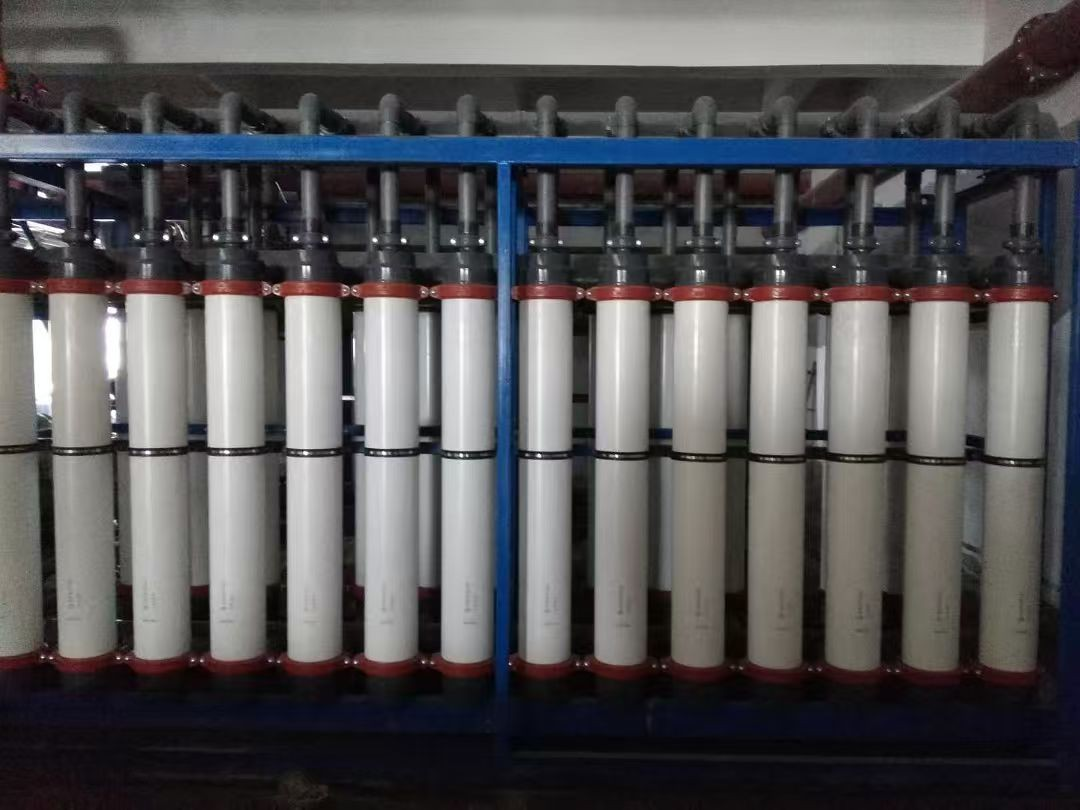
The core of this membrane technology is the single-fiber internal pressure filtration process, providing a robust and long-lasting solution. The membrane element operates vertically and supports the following configurations:
Standard end cap installation
Vertical high-pressure configuration
Application Areas
Drinking Water Production Effectively isolates and removes viruses and chlorine-resistant organisms such as Bacillus subtilis and Giardia, ensuring safe potable water output.
Process Water Production Efficiently blocks suspended solids and sludge. The permeate can be used directly or sent to a downstream RO system if salinity and dissolved solids require further reduction.
Advanced Wastewater Treatment A reliable solution meeting the highest standards for turbidity and microbiology. Treated water is immediately suitable for advanced reuse applications.
Swimming Pool Water Treatment With high chlorine stability, these membrane elements are highly suitable for treating chlorinated pool water. Beyond removing suspended solids, they effectively eliminate microbial particles, significantly reducing the chlorine demand in pool water.
| Membrane Module Model | HP-64 | HP-55 | HP-40 |
| Membrane Area | 64 ㎡ | 55 ㎡ | 40 ㎡ |
| Module Size | 8.7" × 1.54 m | 8.7" × 1.54 m | 8" × 1.54 m |
| Pore Size | 20 nm | ||
| Inner Fiber Diameter | 0.9 mm | ||
| pH Range | 2-12 | ||
| Shell Material | PVC | ||
| TMP | 10-80 KPa (Max 300 KPa) | ||
| Operation Mode | Dead-end / Cross Flow | ||
| Membrane Material | PES / PVP Blend (Hydrophilic) |
| Pore Size | 20 nm |
| Membrane Area | 40 ㎡ / 55 ㎡ / 64 ㎡ |
| Module Size | 8" - 8.7" × 1.54 m |
| TMP Range | 10-80 KPa (Max 300 KPa) |
| Max Free Chlorine | 250 mg/L |
| Operation Mode | Dead-end / Cross Flow |
| Shell Material | PVC |
| Application | Drinking Water, Process Water, Wastewater Reuse, Swimming Pool Treatment |
99.9999% mechanical removal of bacteria including Pseudomonas
99.99% virus removal (MS2 E. coli phage), EPA certified
Tolerates up to 250 mg/L free chlorine, pH range 2-12
Smallest free volume membrane module in the industry
Every single fiber undergoes airtightness testing
High permeability design ensures typical low energy operation
An internal pressure ultrafiltration membrane is a type of filtration technology that works on the principle of separating particles and macromolecules from a liquid by using a semi-permeable membrane under pressure from the inside out. The membrane has very fine pores, generally ranging from 0.01 to 0.1 micrometers, which allow water and smaller dissolved substances to pass through while retaining larger particles such as bacteria, proteins, and colloids. This process is widely used in water and wastewater treatment, food and beverage processing, and pharmaceutical industries to purify and separate components from complex mixtures without the use of chemical additives.
Internal pressure ultrafiltration membranes offer several advantages over external pressure membranes. Firstly, they can handle higher operating pressures, which can be beneficial in industrial applications where high throughput is required. They are also more resistant to fouling, which means they can maintain their performance for longer periods and require less frequent cleaning. Additionally, internal pressure systems generally have a higher membrane surface area compared to external pressure systems of similar size, leading to more efficient filtration. Lastly, due to their design, internal pressure membranes often have a simpler setup, which can reduce installation and maintenance costs.
To ensure optimal performance of an internal pressure ultrafiltration membrane system, regular maintenance includes monitoring and adjusting operating parameters such as pressure, temperature, and flow rate to prevent excessive fouling. Routine cleaning, either chemical or physical, is essential to remove accumulated particles from the membrane surface. This can involve backwashing, air scouring, or the use of cleaning solutions to dissolve foulants. Regular inspection and testing of the membranes for integrity and permeability are also important. Over time, membranes may need to be replaced if their performance cannot be restored through cleaning processes or if physical damage occurs.
Yes, internal pressure ultrafiltration membranes are commonly used in the purification of drinking water. They effectively remove pathogens like bacteria and viruses, as well as other contaminants such as particulates and large organic molecules, without the need for chemical treatments. Ultrafiltration can serve as a standalone process or be integrated into a larger water purification system, often following pre-treatment steps like coagulation and sedimentation, and preceding post-treatment steps like disinfection. This ensures that the water is safe and meets regulatory standards for potable water.
Beyond water treatment, internal pressure ultrafiltration membranes are utilized in a variety of applications. In the food and beverage industry, they are used for the clarification of juices, wine, and beer, and in the concentration and purification of dairy products and proteins. In the pharmaceutical and biotechnology sectors, ultrafiltration is critical for the purification and concentration of active ingredients, antibodies, and other biological products. They are also used in the manufacturing of electronic components for producing high-purity water, and in chemical industries for the separation of solvents and the recovery of valuable materials from process streams.
© 2026 Torvexus. All Rights Reserved.