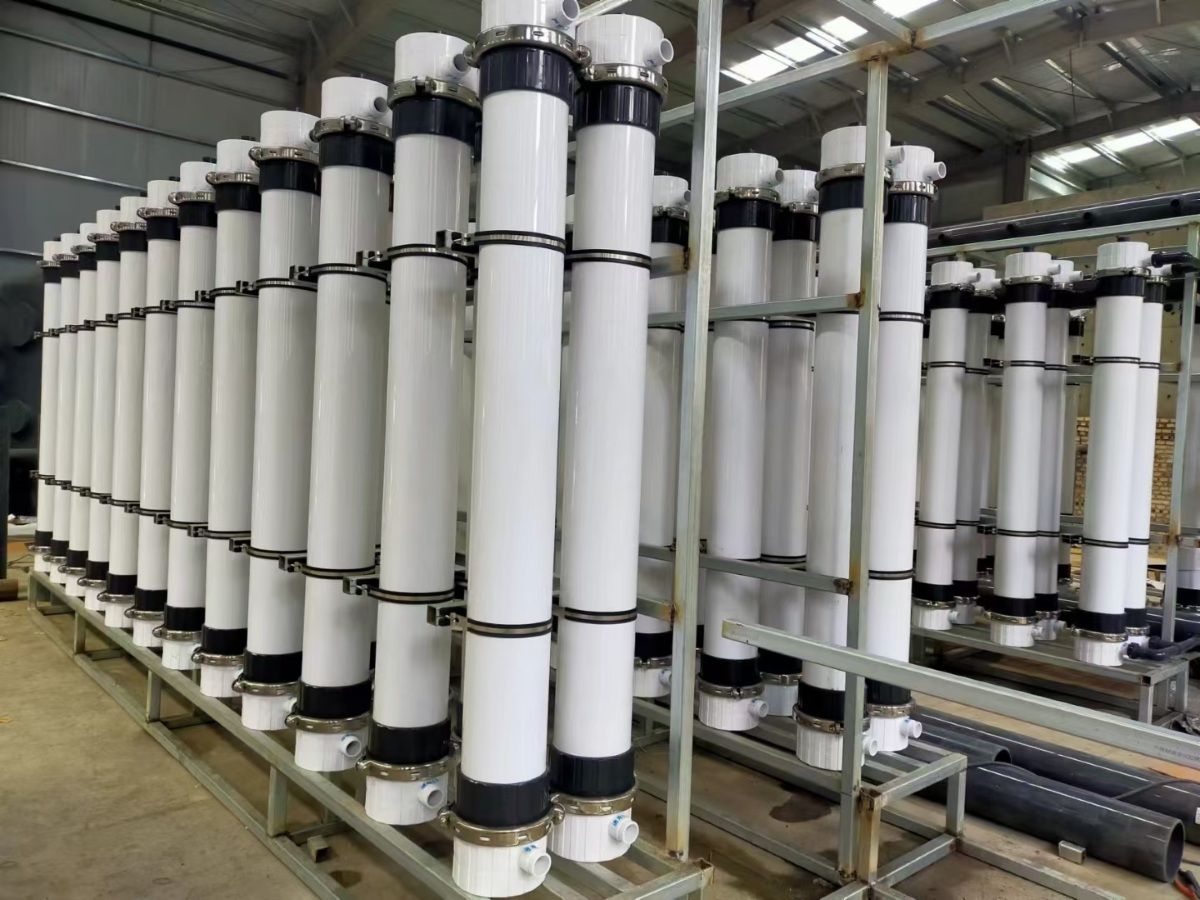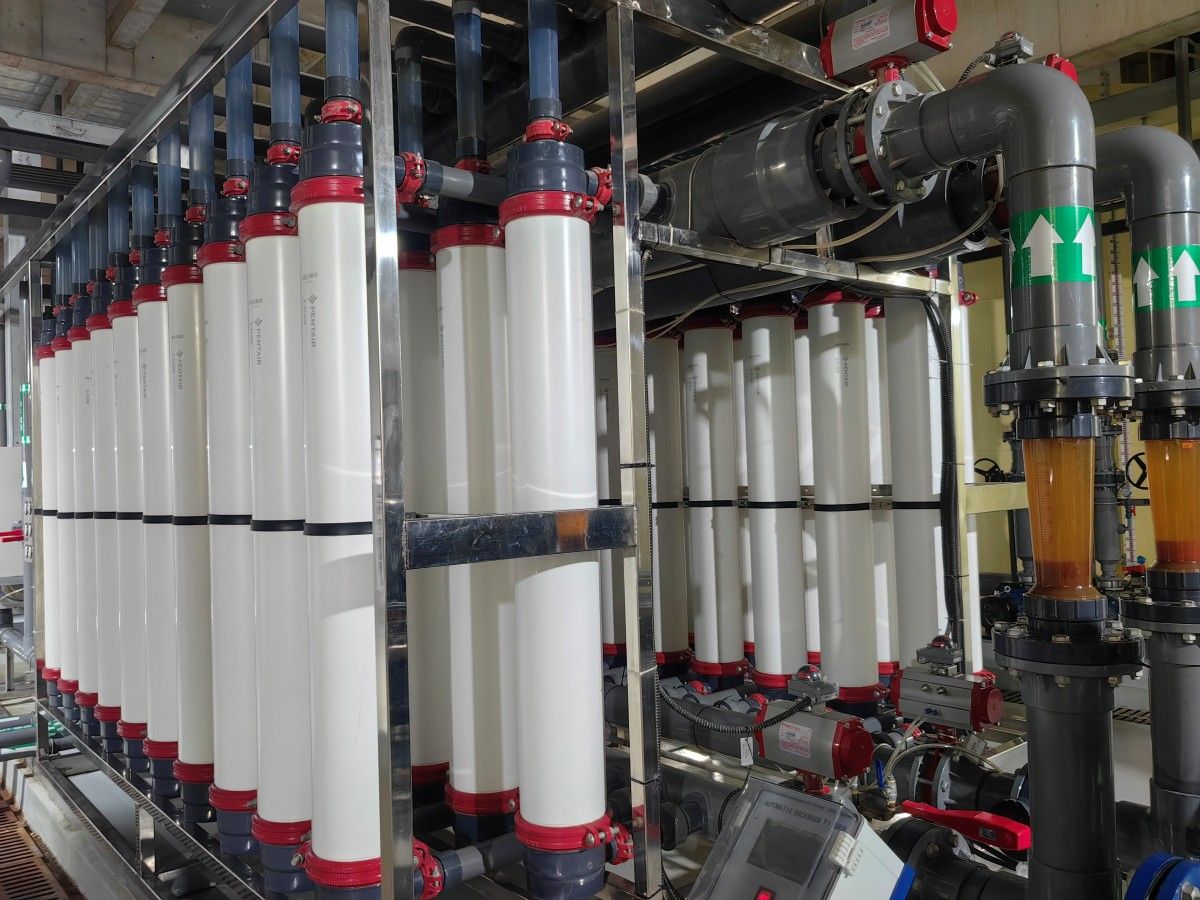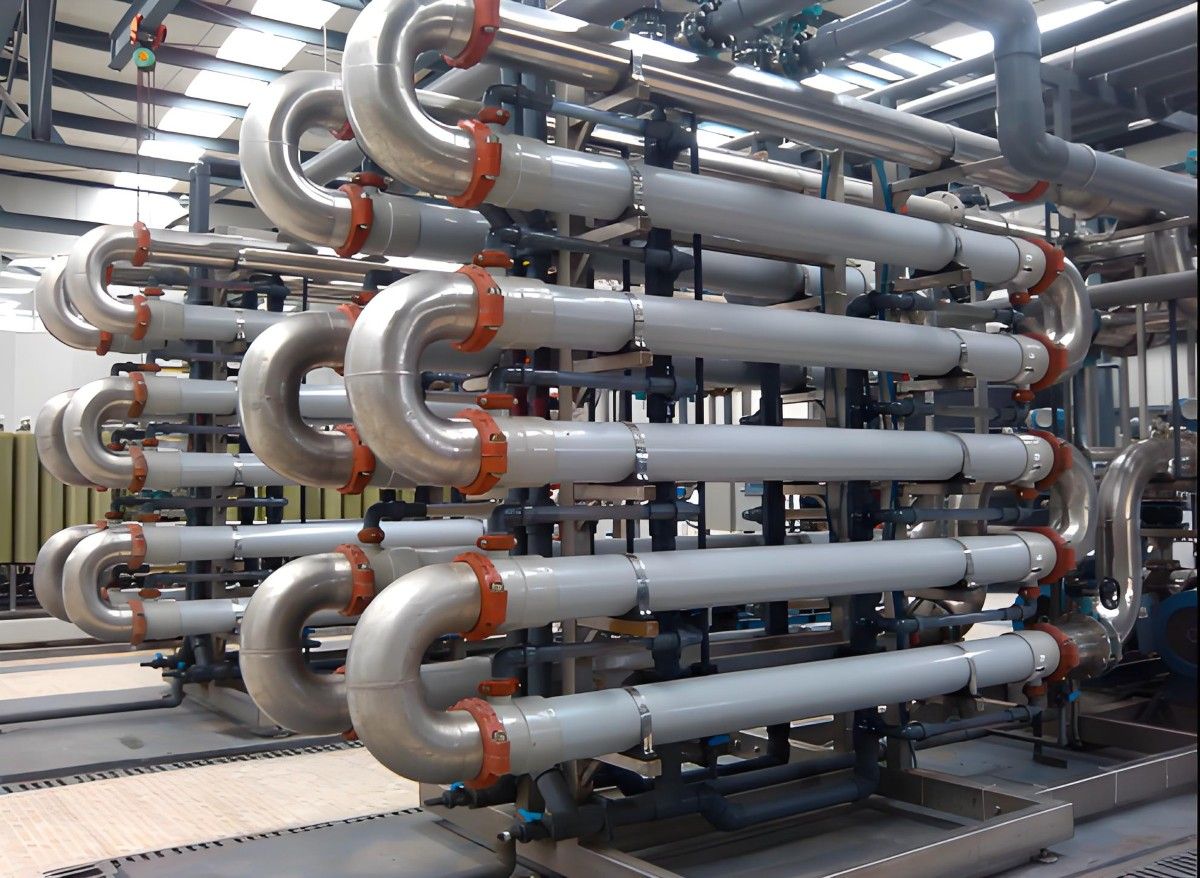

Product Introduction
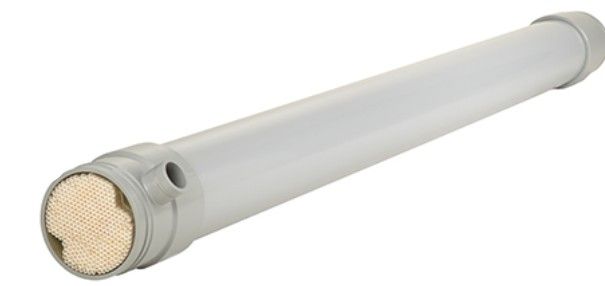
The membrane tube diameter of tubular ultrafiltration membrane is usually 8mm or 5.2mm, which is very suitable for isolating biological sludge or any other high solid applications that require high-quality effluent (solid content up to 40000mg/l). Isolate this membrane filter with a gap of 0.03 microns, allowing only water and soluble substances to pass through and preventing any insoluble substances. The filtrate can be directly used for various applications or sent to another (RO) treatment system to remove soluble substances.
Characteristic
High strength double support membrane tube
Separate the aperture with a gap of 0.03 microns
Can provide standard version and version with spiral structure
Suitable for biomass containing up to 40 g/l suspended solids
Highly resistant to sodium hypochlorite, cleaned with hydrochloric acid
High flux rate
Easy to replace
Function Description
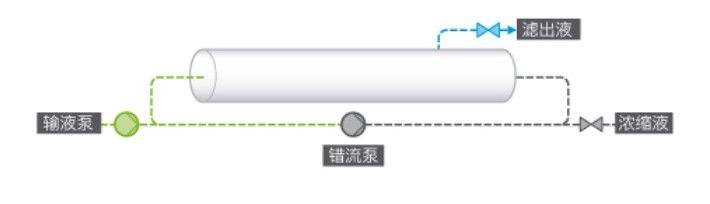
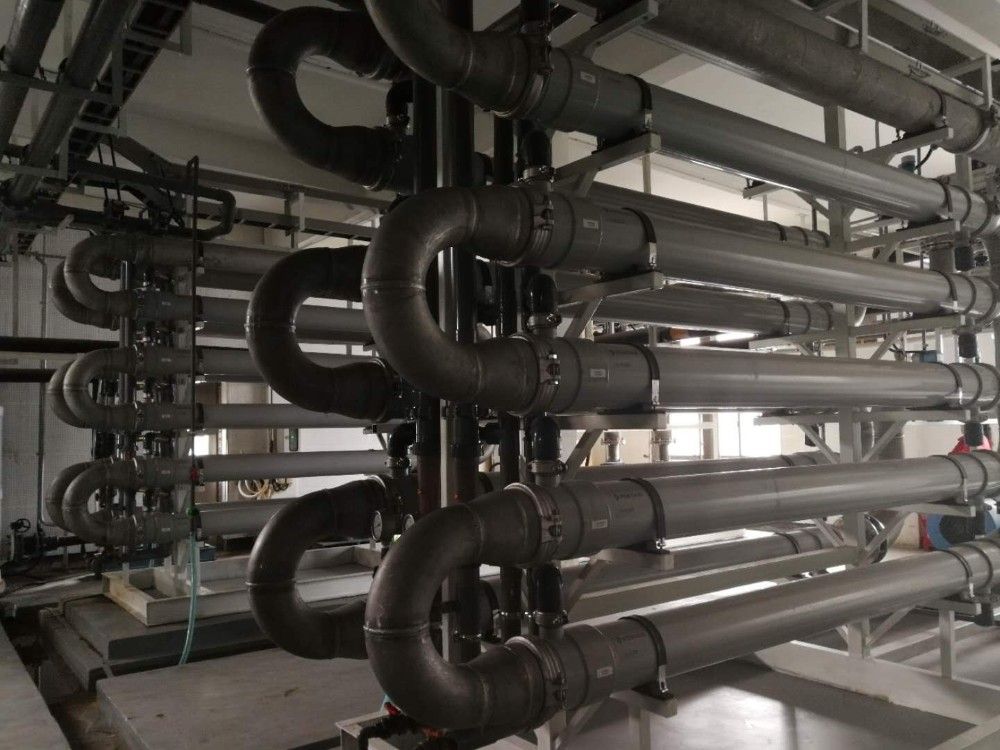
Using 8mm or 5.2mm tubular ultrafiltration membranes, it can handle fluids with a solid content of up to 40000mg/l. This membrane component can be used for cross flow structures. When operating in traditional cross flow mode, if the processing capacity of each membrane element is limited, multiple membrane elements can be connected in series to obtain the required processing capacity.
Our company can help you determine the ideal equipment size, number of membranes, optimal settings, and structure for your specific use.
This type of membrane element usually uses a cross flow mode to pump the medium to be filtered (such as biological sludge) through the pipeline of the filter, thereby keeping the membrane clean and tidy.
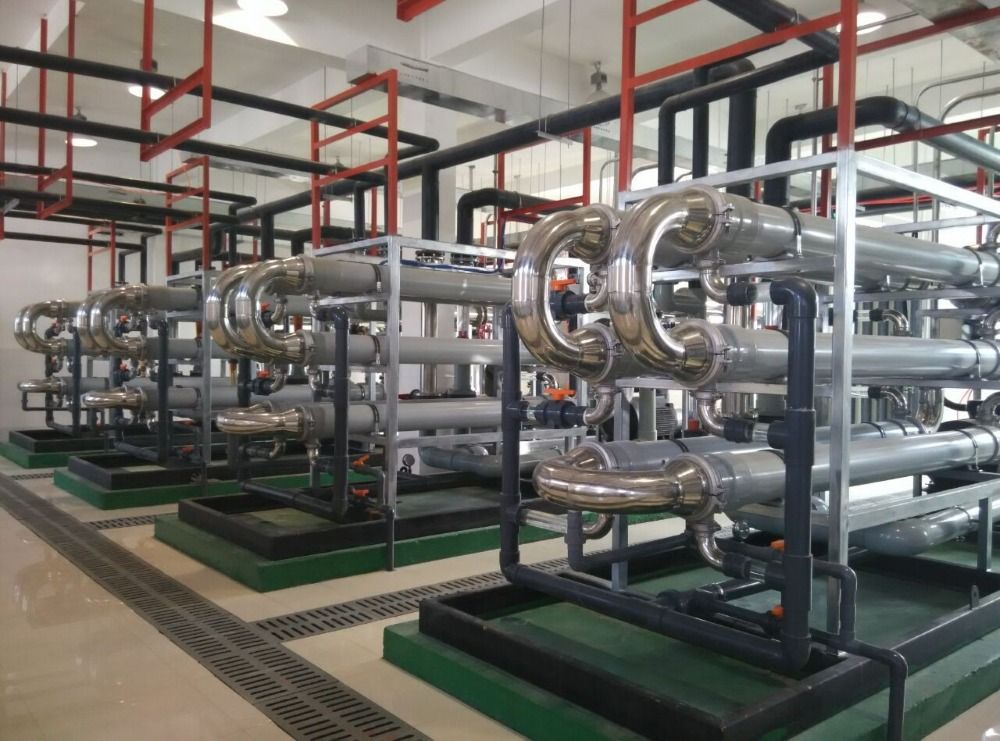
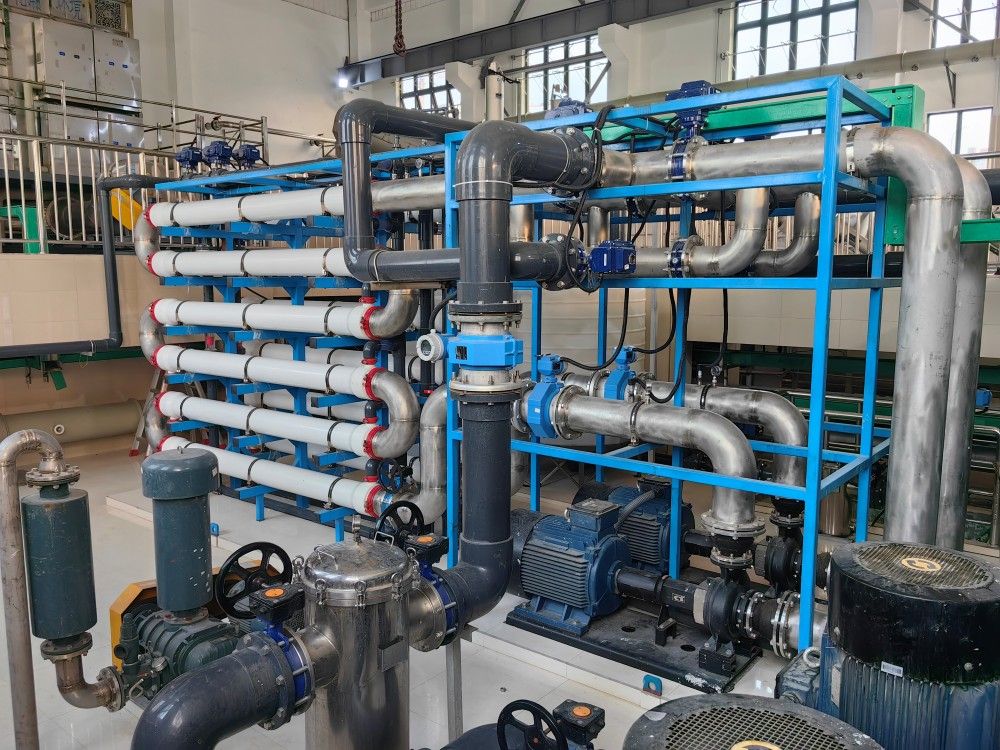
Application area
Mainly used for high solids applications, such as separating biological sludge and clean water (MBR's) in membrane bioreactors. The filtrate will not contain any solids and the SDI can reach<3, so if all soluble substances need to be removed, tubular membranes provide an excellent pre-treatment filtration method for reverse osmosis.
Can be used for the following applications:
Sludge in Isolation Membrane Bioreactors (MBR's)
Concentrated fermentation broth
Purification yeast solution
Concentrated biomass
Landfill leachate
High concentration organic wastewater
Industrial wastewater softening membrane treatment
Selection parameters of cross flow tube ultrafiltration membrane
| Membrane module model | FLISTEC-6.4 | FLISTEC-15 | FLISTEC-27 | FLISTEC-33 | FLISTEC-36.7 | FLISTEC-40 |
| Membrane area | 6.4 ㎡ | 15 ㎡ | 27 ㎡ | 33 ㎡ | 36.7 ㎡ | 40 ㎡ |
| Membrane module diameter | 4 inches | 6 inches | 8 inches | 8 inches | 8 inches | 10 inches |
| Membrane module length | 3 m | 3 m | 3 m | 3 m | 4 m | 3 m |
| Membrane tube diameter | 8 mm | 8 mm | 8 mm | 5.2 mm | 8 mm | 8 mm |
| Aperture | 30 nm | |||||
| Flux | 60-200 l/㎡h | |||||
| Transmembrane pressure difference | 2-5 bar | |||||
| Operation mode | Cross flow | |||||
| Ultrafiltration layout | (1×2, -2×6) ×n | |||||
| Membrane Tube Diameter | 8 mm / 5.2 mm |
| Pore Size (Aperture) | 30 nm (0.03 microns) |
| Flux Rate | 60-200 L/㎡·h |
| Transmembrane Pressure | 2-5 bar |
| Max Solid Content | 40,000 mg/L (40 g/L) |
| Module Diameter Range | 4" - 10" |
| Module Length | 3 m / 4 m |
| Membrane Area Range | 6.4 - 40 ㎡ |
Handles fluids with solid content up to 40,000 mg/L
60-200 L/㎡·h, ensuring efficient throughput
High strength double support membrane tube, durable and reliable
Resistant to sodium hypochlorite, cleaned with hydrochloric acid
Membrane modules are designed for quick and simple replacement
Suitable for MBR, landfill leachate, fermentation, industrial wastewater
A tubular ultrafiltration membrane is a type of filtration technology used to remove particles, colloids, and macromolecules from a liquid. It works by forcing the liquid through hollow fiber tubes under pressure, where the membrane selectively retains smaller components, allowing water and dissolved salts to pass through while blocking larger molecules like proteins, bacteria, and viruses. The design of the tubular structure is particularly useful for handling liquids with a high content of suspended solids, as it can be easily cleaned and is less prone to fouling compared to other membrane configurations.
Tubular ultrafiltration membranes are predominantly used in industries such as water and wastewater treatment, pharmaceuticals, food and beverage processing, and chemical manufacturing. They are especially valuable in applications requiring high-quality filtrate, such as the purification of drinking water, the concentration of dairy products, the clarification of fruit juices, and the purification of biopharmaceuticals. Their robustness and ease of maintenance also make them suitable for treating industrial effluents and recycling process water.
The advantages of using tubular ultrafiltration membranes include their ability to handle high solids concentrations without frequent cleaning or replacement, a larger membrane surface area which enhances filtration efficiency, and a more durable design that can withstand harsh operating conditions. They are also easier to clean and less prone to fouling, which can significantly reduce maintenance costs and downtime. Additionally, tubular membranes can be used in a wide range of temperatures and pH levels, making them versatile for various applications.
Cleaning a tubular ultrafiltration membrane system typically involves a process called backflushing or backwashing, where the flow direction is reversed to dislodge and remove any particles that have adhered to the membrane surface. This can be followed by chemical cleaning using acids or bases to neutralize fouling substances, and the use of disinfectants to eliminate microorganisms. The frequency of cleaning depends on the quality of the feed water and the specific application. Regular monitoring of the system's performance helps in determining the appropriate cleaning schedule.
When selecting a tubular ultrafiltration membrane for a specific application, key factors to consider include the characteristics of the feed solution (such as pH, temperature, and suspended solids content), the required filtration capacity, membrane material compatibility with the process chemicals, and the desired purity and quality of the filtrate. Additionally, the cost of the membrane, the availability of spare parts, and the ease of installation and maintenance are important practical considerations. Consulting with a membrane technology expert can help in making the best choice for your specific needs.
© 2026 Torvexus. All Rights Reserved.