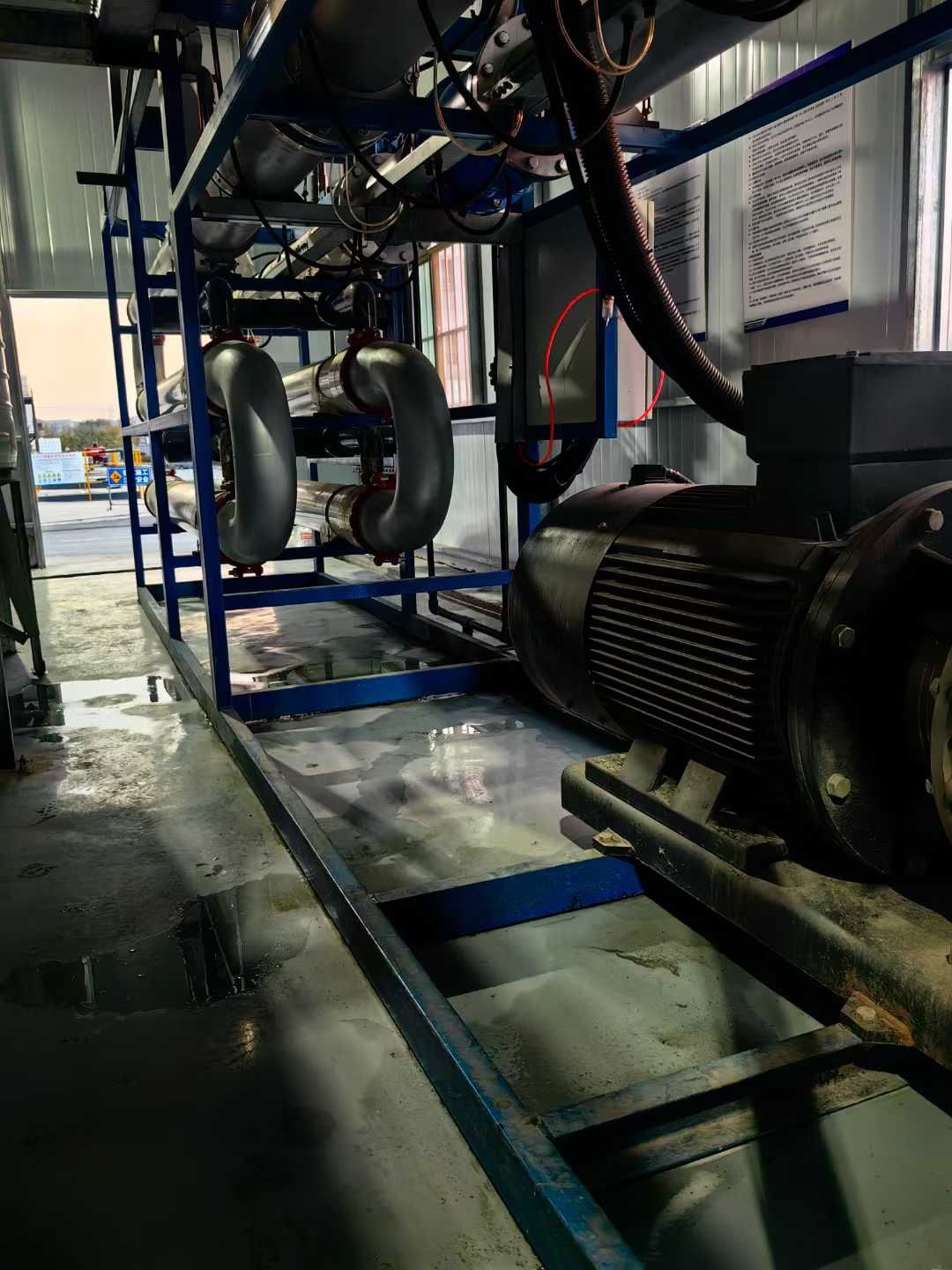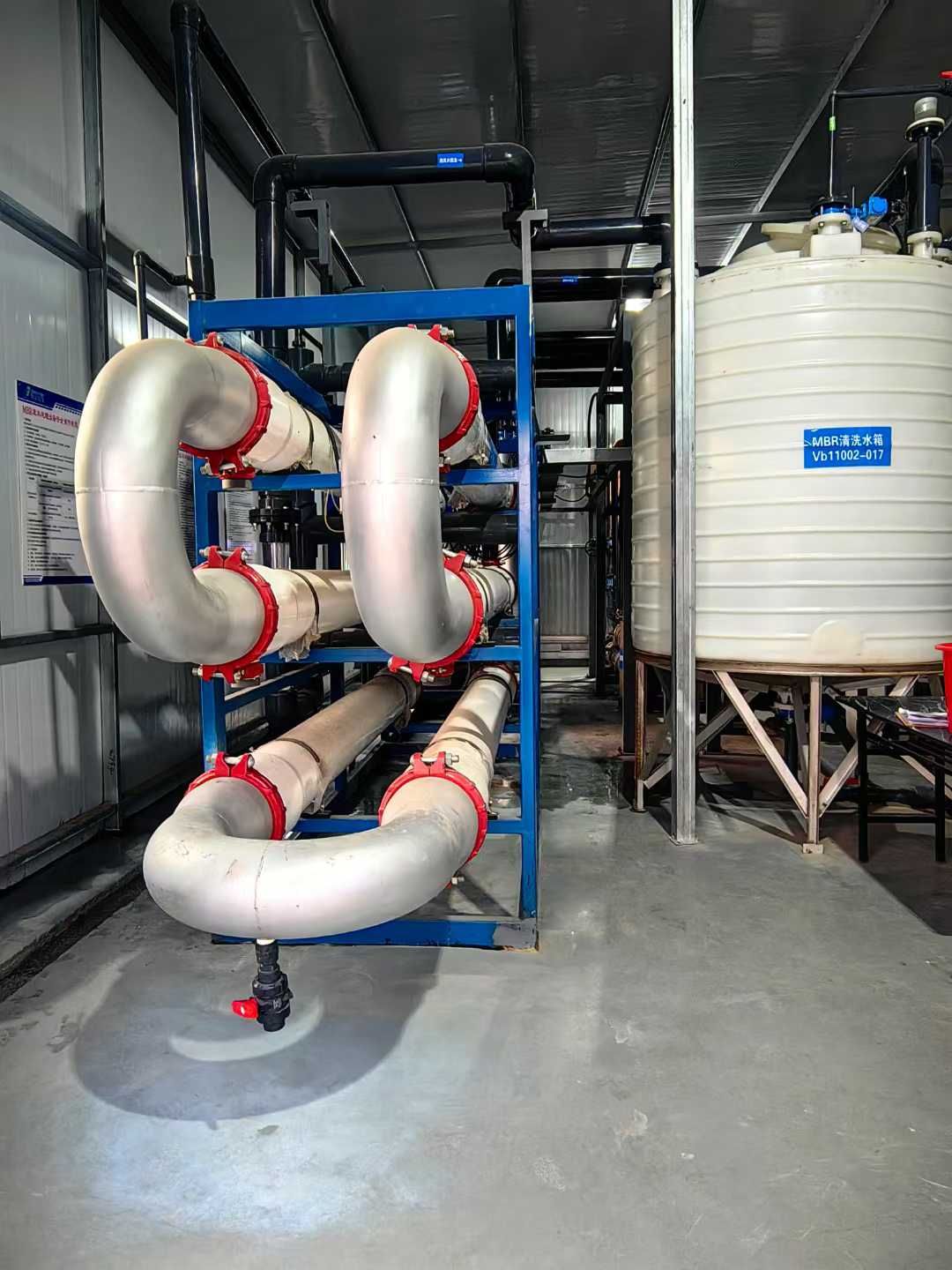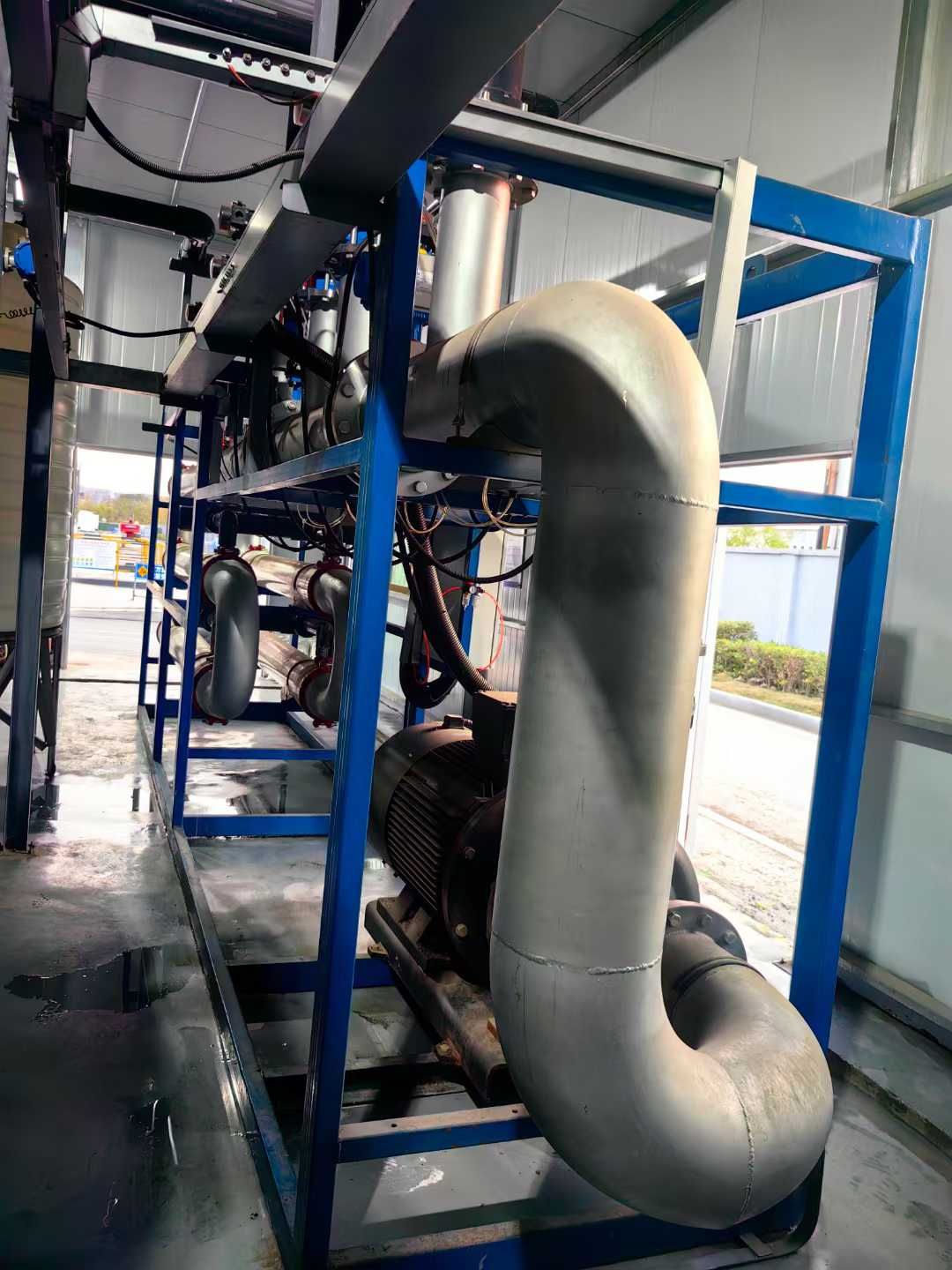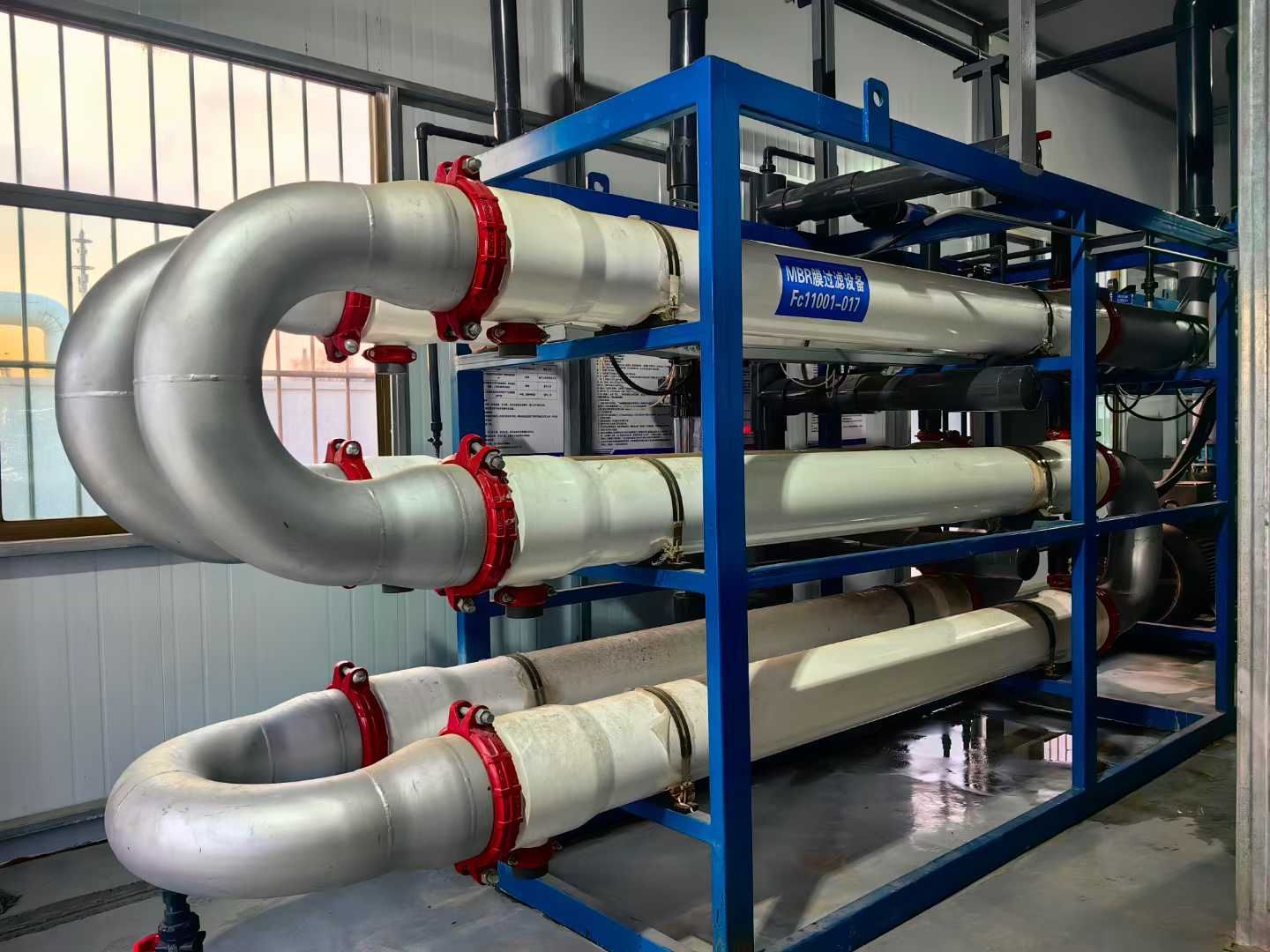
MBR Membrane Bioreactor System for Pharmaceutical Wastewater Treatment
Project Background
Pharmaceutical manufacturing generates wastewater with complex characteristics — high COD, variable pH, residual antibiotics, solvents, and intermediates that are toxic to conventional biological treatment systems. Traditional activated sludge processes often fail to achieve stable effluent quality due to the inhibitory effects of pharmaceutical compounds on microbial activity.
Torvexus MBR (Membrane Bioreactor) systems combine enhanced biological treatment with submerged or external ultrafiltration membranes, providing a compact, high-performance solution that consistently meets the most stringent pharmaceutical wastewater discharge standards.
Feed Water Characteristics
Pharmaceutical wastewater presents unique treatment challenges:
- COD: 5,000–30,000 mg/L (highly variable between production batches)
- BOD/COD ratio: 0.2–0.4 (poor biodegradability)
- Antibiotic residues: Inhibit microbial growth in conventional systems
- Solvents: Methanol, ethanol, acetone, DMF at varying concentrations
- pH fluctuation: 2–12 depending on production cycle
- SS: 500–3,000 mg/L
- Color and odor: Significant, requiring advanced treatment
System Design
Process Flow
- Equalization tank: Balances flow rate and concentration fluctuations from batch production processes, with pH adjustment
- Anaerobic hydrolysis: Breaks down complex pharmaceutical compounds and improves biodegradability (BOD/COD ratio increased to 0.4–0.6)
- MBR bioreactor: High-concentration activated sludge (MLSS 8,000–15,000 mg/L) combined with submerged UF membranes for solid-liquid separation
- MBR permeate polishing: Optional NF or RO for advanced treatment if water reuse is required
Key Specifications
| Parameter | Value |
|---|---|
| Treatment capacity | 200–500 m³/day (scalable) |
| MBR membrane type | PVDF flat sheet / hollow fiber UF |
| Membrane pore size | 0.1 μm |
| MLSS concentration | 8,000–15,000 mg/L |
| HRT (Hydraulic Retention Time) | 24–48 hours |
| SRT (Sludge Retention Time) | 30–60 days |
| Effluent COD | < 100 mg/L |
| Effluent SS | < 5 mg/L |
| Effluent turbidity | < 1 NTU |
Why MBR for Pharmaceutical Wastewater?
- High biomass concentration: MBR operates at 3–5× higher MLSS than conventional systems, providing greater biological capacity to degrade complex pharmaceutical compounds
- Complete solids separation: UF membrane barrier ensures zero SS in effluent regardless of sludge settling characteristics — critical for pharmaceutical wastewater where filamentous bulking is common
- Long SRT: Extended sludge retention time allows slow-growing specialized bacteria to develop, improving degradation of antibiotics and recalcitrant organics
- Compact footprint: 50–70% smaller than conventional activated sludge + secondary clarifier systems — ideal for pharmaceutical plants with limited space
- Consistent effluent quality: Membrane barrier provides stable permeate quality independent of biological process fluctuations
- Modular expansion: Additional membrane modules can be added to increase capacity without civil works
Design Highlights
- Anti-foaming system: Pharmaceutical wastewater often generates excessive foam — integrated mechanical and chemical defoaming prevents membrane contamination
- Solvent-resistant membranes: PVDF membrane material selected for resistance to common pharmaceutical solvents
- Automated aeration control: DO (dissolved oxygen) feedback control optimizes energy consumption and biological performance
- Online monitoring: Real-time COD, pH, DO, TMP, and flux monitoring with PLC-based automatic backwash and chemical cleaning triggers
- Redundant design: Multiple membrane cassettes allow individual cassette maintenance without system shutdown
Performance Results
- COD removal: > 95% (from 10,000+ mg/L to < 100 mg/L)
- Ammonia removal: > 98%
- Antibiotic removal: > 99% for common antibiotics (tetracycline, penicillin, cephalosporin)
- Effluent quality: Meets China GB 21903 pharmaceutical industry discharge standard and EU Industrial Emissions Directive
- Membrane life: > 5 years with proper maintenance and chemical cleaning protocol
Conclusion
MBR technology is the optimal solution for pharmaceutical wastewater treatment — it combines the biological degradation capacity needed for complex pharmaceutical compounds with the absolute solid-liquid separation that membrane filtration provides. Torvexus offers complete MBR system design, membrane supply, and commissioning services for pharmaceutical manufacturers worldwide.