Kitchen Waste Leachate Treatment with Tubular UF and DTRO Membrane System
Project Background
Kitchen waste (food waste) processing plants generate highly concentrated leachate during the sorting, dewatering, and anaerobic digestion stages. This leachate is characterized by extremely high oil and grease content, elevated COD/BOD levels, and strong odor — making it one of the most challenging organic wastewaters to treat.
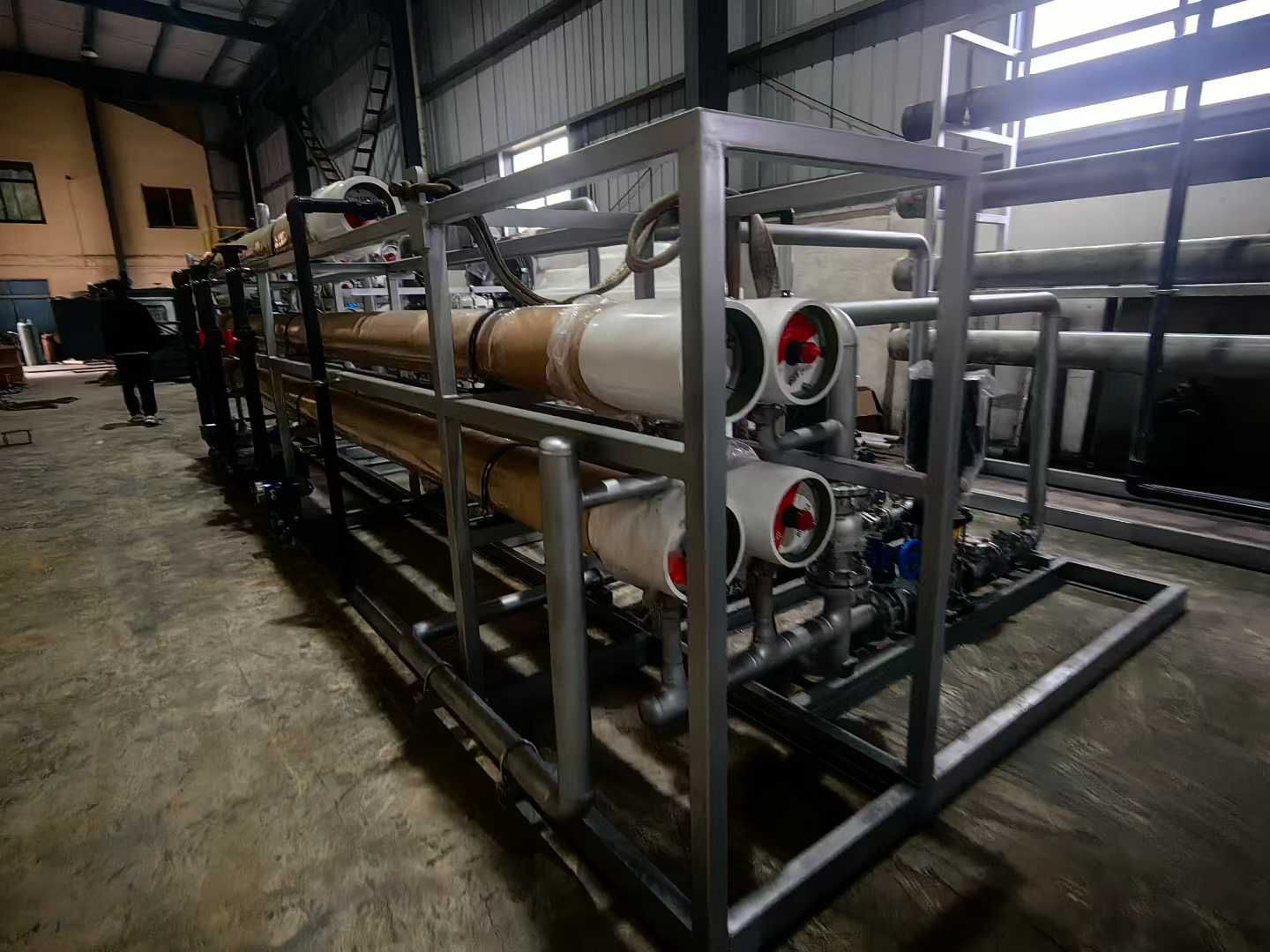
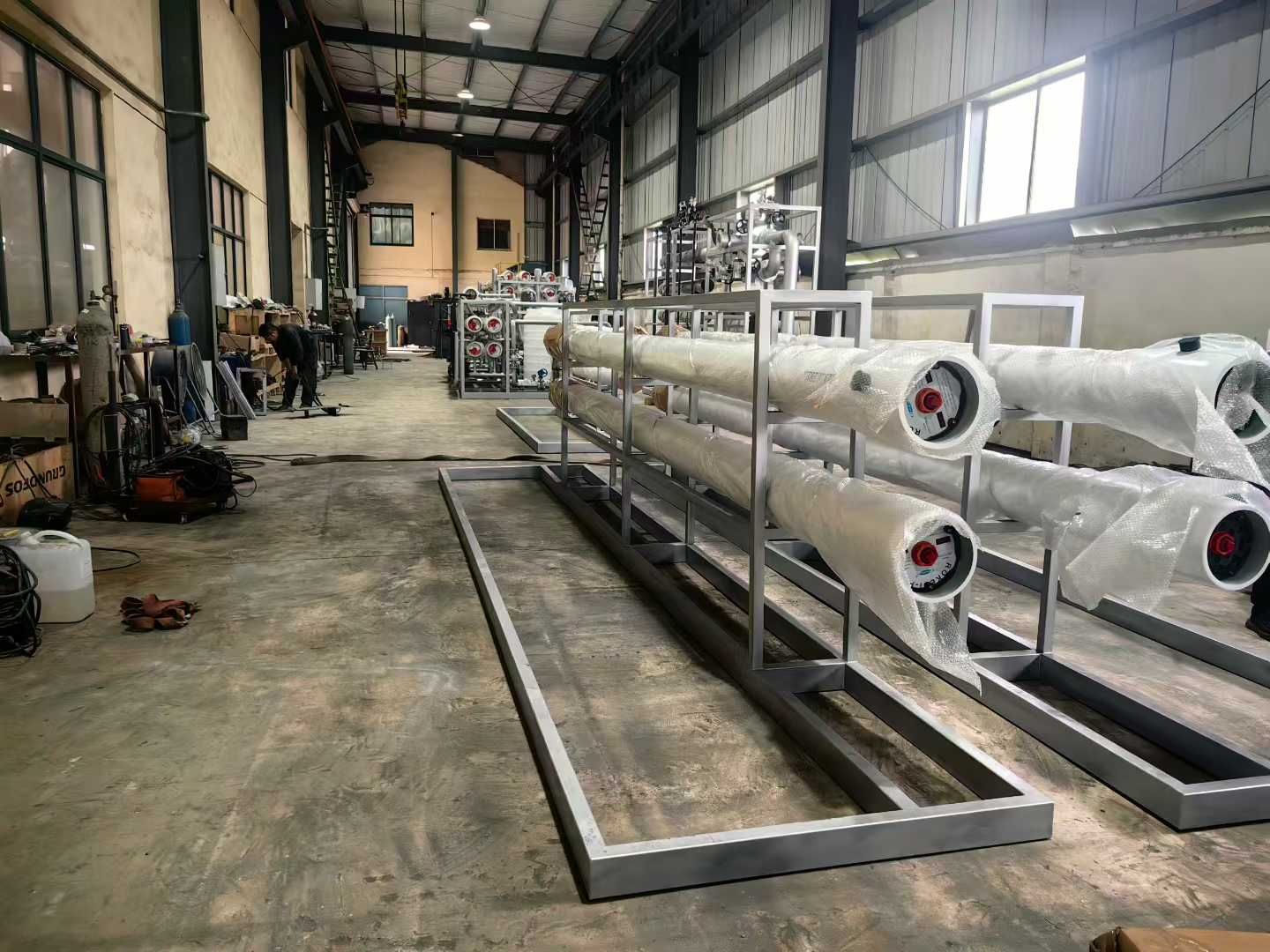
Torvexus designed and supplied a complete membrane treatment system combining tubular ultrafiltration (UF) as pre-treatment followed by DTRO reverse osmosis for a kitchen waste processing facility.
Feed Water Characteristics
- COD: 30,000–60,000 mg/L (extremely high organic load)
- BOD: 15,000–30,000 mg/L
- Oil & Grease: 2,000–5,000 mg/L
- SS: 5,000–15,000 mg/L
- Ammonia nitrogen: 1,500–3,000 mg/L
- pH: 4.0–6.5 (acidic)
System Design
The treatment process adopts a "Biochemical + Tubular UF + DTRO" configuration to handle the extreme feed water conditions:
Process Flow
- Oil-water separation: Dissolved air flotation (DAF) removes free and emulsified oil
- Anaerobic + aerobic biological treatment: UASB + A/O process reduces COD from 50,000+ to 2,000–3,000 mg/L
- Tubular ultrafiltration (UF): Open-channel tubular membranes remove residual SS, oil, and colloidal matter — protecting downstream RO
- DTRO reverse osmosis: Two-stage DTRO achieves final desalination and COD polishing
- Concentrate treatment: RO concentrate returned to anaerobic digestion or evaporation
Key Specifications
| Parameter | Value |
|---|---|
| Design Capacity | 80 ton/day |
| Tubular UF | PVDF tubular membrane, 5.0 mm inner diameter |
| UF Pore Size | 0.03 μm |
| DTRO Configuration | Two-stage, 8-inch modules |
| Overall Recovery | 75–80% |
| Permeate COD | < 100 mg/L |
| Permeate TDS | < 500 mg/L |
Why Tubular UF for Kitchen Waste Leachate?
Conventional hollow-fiber or flat-sheet UF membranes clog rapidly when exposed to high-oil, high-SS feed water. Tubular UF membranes offer critical advantages:
- Large flow channel (5–8 mm): Prevents clogging from grease and suspended solids
- High cross-flow velocity: Continuous scouring action keeps membrane surface clean
- Chemical resistant: PVDF material withstands aggressive CIP cleaning with NaOH and NaClO
- Backwash capable: Supports both air-assisted and chemical backwash for flux recovery
Performance Results
- UF permeate turbidity: < 1 NTU, oil & grease < 5 mg/L
- Final permeate COD: < 80 mg/L (from 50,000+ mg/L raw leachate)
- Ammonia removal: > 95% through biological + RO combined process
- System availability: > 95% uptime with automated CIP scheduling
Conclusion
Kitchen waste leachate demands a robust pre-treatment strategy before membrane desalination. The combination of tubular UF and DTRO provides a proven, reliable solution that handles the extreme organic and oil loading while delivering consistent permeate quality for discharge compliance.