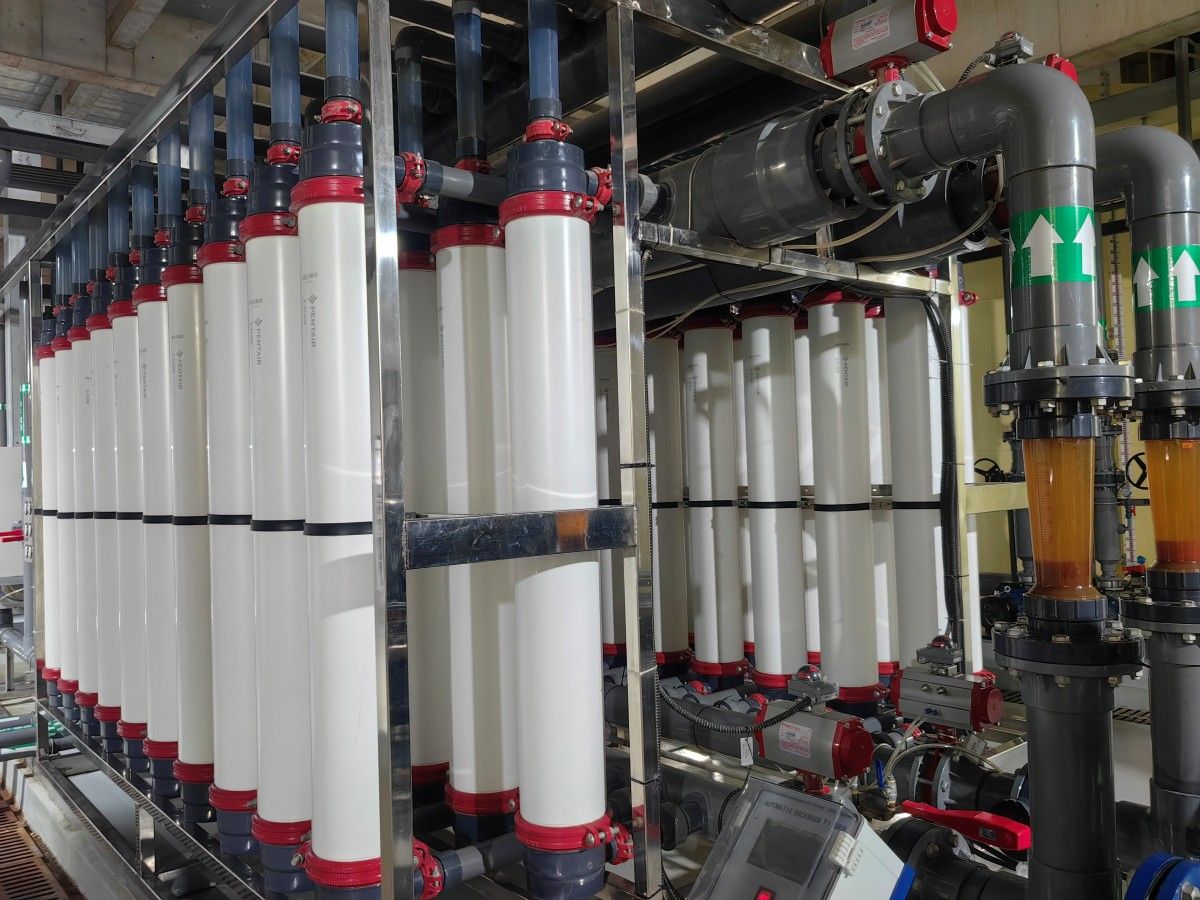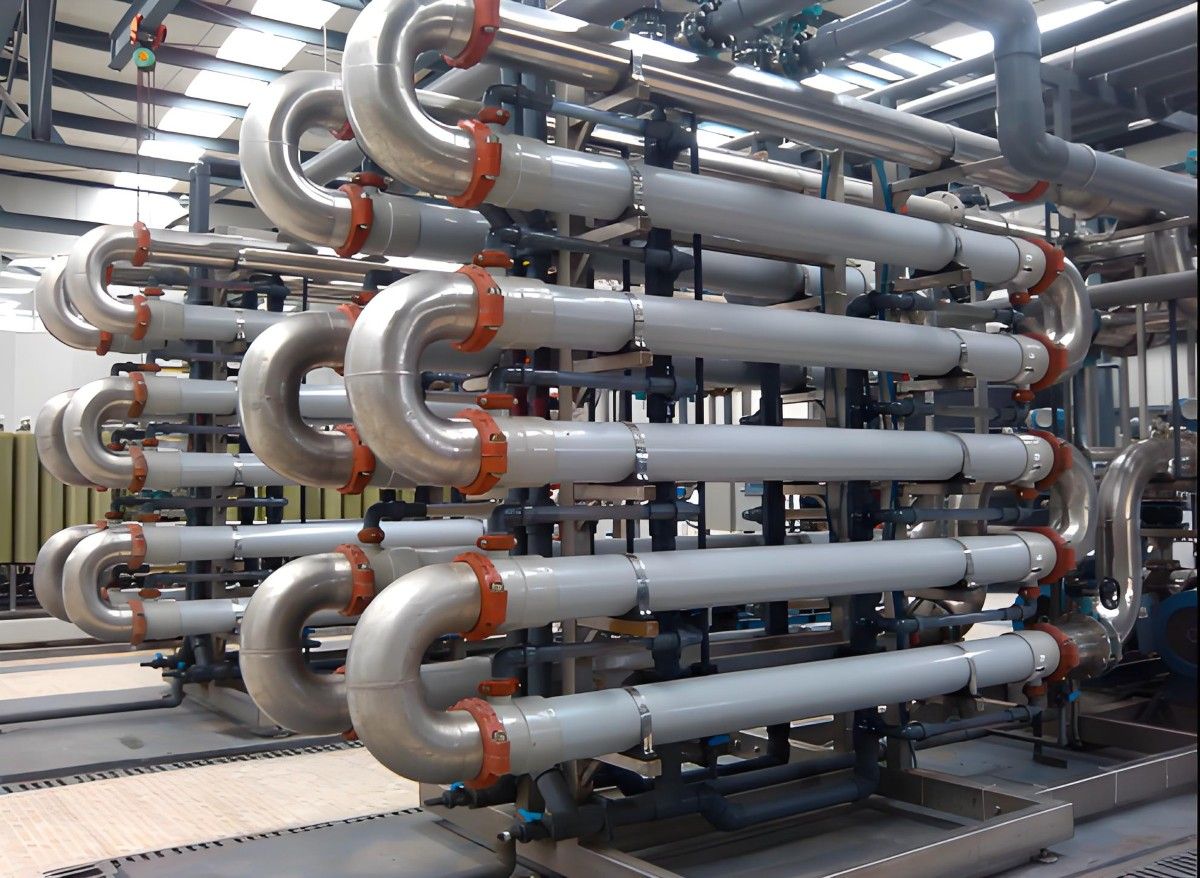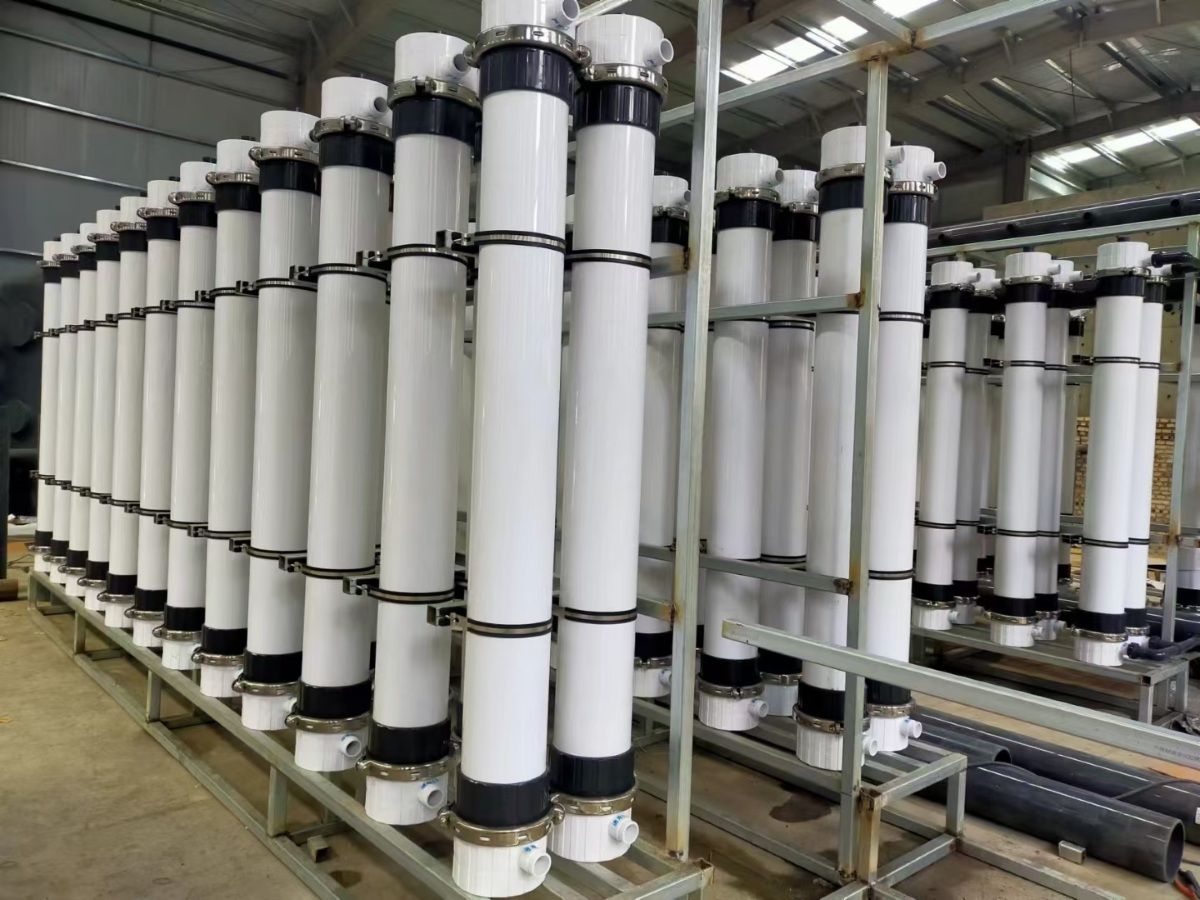

Product Introduction
Ultrafiltration technology utilizes selective porous membranes as the separation medium. Under a driving force such as pressure difference, the solution passes through the membrane, allowing low-molecular-weight solutes to permeate while retaining high-molecular-weight substances. This achieves effective separation, concentration, and purification.
Ultrafiltration can almost completely intercept suspended solids, colloids, microorganisms, large organic molecules, and bacteria in water, while allowing inorganic salts and small organic molecules to pass through. This technology is now widely recognized across diverse water treatment and liquid separation applications.
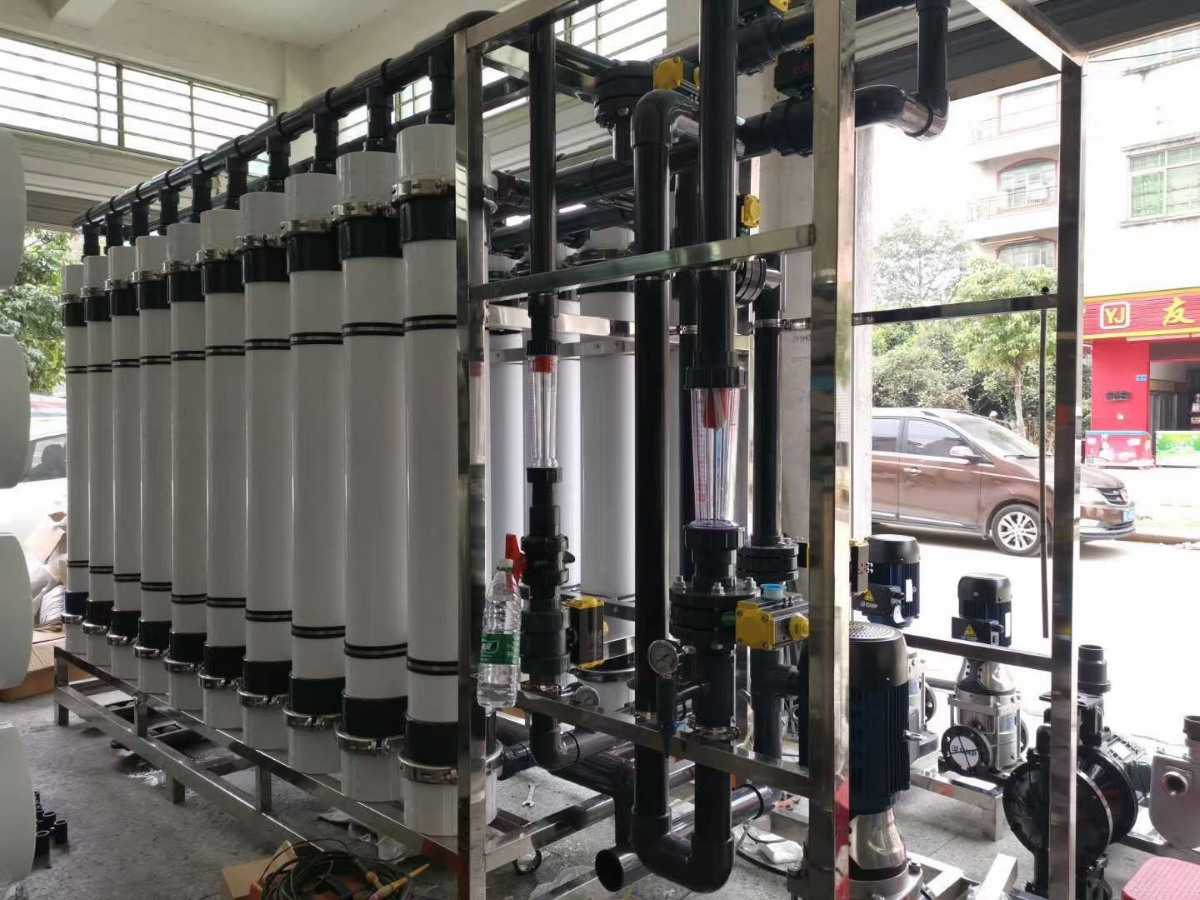
Membrane Material
Common ultrafiltration membrane materials include PVDF, PAN, PES, PS, CA, PE, PP, and PVC. While polysulfone, cellulose acetate, and polypropylene membranes once dominated the market, polyvinylidene fluoride (PVDF) and polyethersulfone (PES) have become the most widely used materials today. Among them, PVDF is increasingly favored for its unparalleled advantages.
Advantages of PVDF Membrane Material
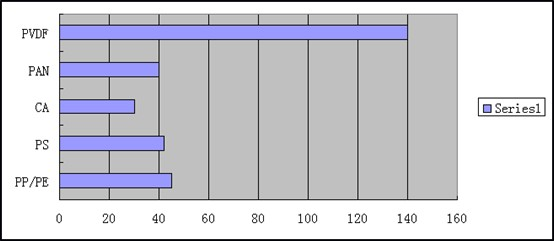
The most significant characteristic of PVDF is its extremely high chemical stability, which provides outstanding oxidant resistance and acid-alkali tolerance. During water treatment, microorganisms and organic matter inevitably adhere to the membrane surface, gradually blocking pores and reducing separation performance. The most effective cleaning method is oxidant washing — but oxidants can damage many membrane materials. PVDF's resistance to oxidants such as sodium hypochlorite is more than 10 times that of PES and PS materials, greatly extending membrane service life.
Additionally, while both PS and PVDF offer high strength, PVDF also provides exceptional flexibility. This flexibility is critical during air scrubbing and cleaning processes, making PVDF the preferred choice for membrane bioreactors (MBR) and externally pressurized filtration modules. Field investigations confirm that PVDF membranes have the lowest fiber breakage rate among all membrane materials.
Product Characteristics
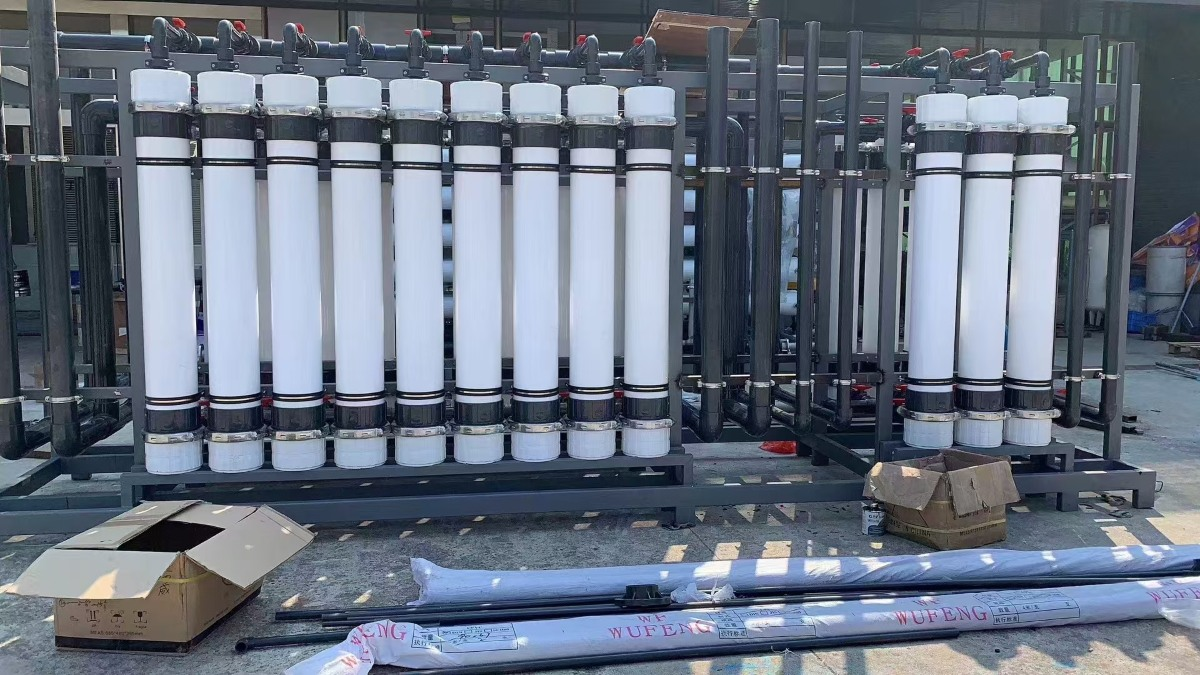
Our PVDF ultrafiltration membrane modules are available in two series with membrane areas of 53㎡ and 75㎡. Thanks to their unique oxidant resistance and easy-cleaning properties, they are widely applicable to groundwater treatment, surface water treatment, sewage treatment, reclaimed water reuse, and tap water purification.
Key advantages include:
High oxidant and cleaning resistance — PVDF's chemical stability allows cleaning with high-concentration oxidants, effectively preventing bacterial and microbial proliferation
High flux — high porosity enables superior throughput
High strength with excellent flexibility — air scrubbing during cleaning without risk of fiber breakage
Strong anti-fouling performance — hydrophilic modification significantly improves fouling resistance
Excellent water quality — small nominal pore size removes virtually all suspended particles, microorganisms, colloids, and bacteria
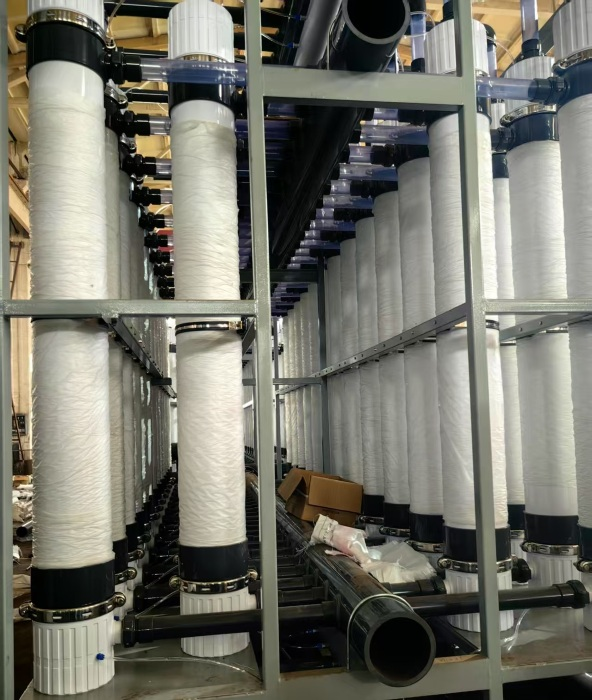
Long service life — outside-in structure resists clogging, offers larger filtration area, higher retention capacity, and thorough cleaning capability
Performance Parameters
| Membrane Form | Hollow Fiber |
| Membrane Material | PVDF |
| Membrane Pore Size | 0.03 μm |
| Membrane Area | 53 ㎡ / 75 ㎡ |
| Fiber Inner/Outer Diameter | 0.7 / 1.3 mm |
| Shell Material | UPVC |
| Bonding Material | Epoxy Resin |
| Fiber Wrapping Net | Polypropylene |
| Suspended Solids > 2μm Removal | 100% |
| Microorganism Removal | 99.999% |
| Filtrate Turbidity | ≤ 0.5 NTU |
| Filtrate SDI | ≤ 2.5 |
| Service Life | 3-5 Years |
Operating Conditions
| Filtration Mode | Outside-in |
| Max Inlet Pressure | ≤ 0.3 MPa |
| Max TMP | 0.2 MPa |
| Operating Temperature | 5-40 ℃ |
| pH Range (Operation) | 2-11 |
| pH Range (Cleaning) | 1-12 |
| Pre-treatment Accuracy | < 150 μm |
| Max Inlet Turbidity | 200 NTU |
| Max Inlet Oil Content | < 2 mg/L |
| Max Residual Chlorine (Inlet) | 200 mg/L |
| Max Residual Chlorine (Cleaning) | 2000 mg/L |
| Design Flux | 50 L/㎡·h (0.1MPa, 25℃) |
| Operation Mode | Cross Flow Filtration |
Process Design Conditions
| Backwash Frequency | Every 30 minutes |
| Backwash Duration | 60 seconds |
| Backwash Pressure | < 0.2 MPa |
| Backwash Flow Rate | 120-150 L/㎡·h |
| Gas Scrubbing Frequency | 6-12 times/day (adjustable) |
| Gas Scrubbing Pressure | ≤ 0.1 MPa |
| Gas Scrubbing Intensity | 7-12 Nm³/h |
| Gas Source | Oil-free and clean |
| Gas Scrubbing Duration | 30 seconds |
| Forward Wash Frequency | Every 30 minutes |
| Forward Wash Duration | 30 seconds |
| Forward Wash Pressure | < 0.15 MPa |
| Forward Wash Flow Rate | 3 m³/h per branch |
| Backwash Dosing Agent | NaClO, 10-15 ppm (effective chlorine) |
| Dispersive Cleaning Frequency | Acid or alkali once every 24 hours (adjustable) |
| Dispersive Cleaning Duration | 5-10 minutes |
| Dispersive Cleaning Agents | Acid: 0.05% HCl | Alkali: 0.05% NaOH + 0.05% NaClO |
| Chemical Cleaning Frequency | Once every 2-6 months |
| Chemical Cleaning Duration | 60-90 minutes |
| Chemical Cleaning Agents | Acid: 1-2% citric acid or 0.1% HCl | Alkali: 0.1% NaOH + 0.1% NaClO |
| Chemical Cleaning Flow Rate | 1 m³/h per module |
Chemical Cleaning Guidelines
Thanks to PVDF's excellent anti-fouling properties, physical cleaning generally achieves satisfactory results. Chemical cleaning should be performed when physical methods are insufficient.
Cleaning temperature: 20-30℃ for standard solutions.
Chemical Enhanced Backwash: Appropriate chemicals are introduced from the feed inlet and circulated through the membrane to remove surface and internal pollutants. Maintaining a reasonable cleaning frequency helps extend membrane service life.
Full Chemical Cleaning: Required when TMP increases by 0.1 MPa above the initial value and cannot be restored by backwash, gas scrubbing, or dispersive cleaning.
Cleaning methods:
Acid wash: 0.1wt% HCl or 1-2wt% citric acid solution, circulate for approximately 60 minutes. Suitable for removing inorganic scale and deposits.
Alkali wash: 0.1wt% NaOH + 0.1% NaClO (effective chlorine) solution, circulate under < 0.05 MPa for 30 minutes, then soak for 30-60 minutes. Suitable for removing organic pollutants.
NaClO wash: 500-1000 ppm NaClO solution, circulate for 60-90 minutes. Suitable for removing microbial pollutants.
Important: When switching between acid and alkali cleaning agents, first drain the previous solution from the membrane module to prevent dilution. After each cleaning step, rinse thoroughly with UF or RO water until the internal pH reaches 7.
| Membrane Material | Polyvinylidene Fluoride (PVDF) |
| Pore Size | 0.03 μm |
| Membrane Area | 53 ㎡ / 75 ㎡ |
| Fiber Inner/Outer Diameter | 0.7 / 1.3 mm |
| Shell Material | UPVC |
| Bonding Material | Epoxy Resin |
| Max Inlet Pressure | ≤ 0.3 MPa |
| Max TMP | 0.2 MPa |
| Service Life | 3-5 Years |
| Application | Drinking Water, Sewage Treatment, Reclaimed Water Reuse, Tap Water Purification |
Over 10x oxidant resistance compared to PES/PS, greatly extending service life
0.03μm pore size, 100% removal of suspended solids > 2μm, 99.999% microorganism removal
High porosity design delivers high flux with typical low energy consumption
Hydrophilic modification greatly improves fouling resistance
PVDF material ensures high mechanical strength with lowest fiber breakage rate
Supports backwash, gas scrubbing, dispersive chemical cleaning, and full chemical cleaning
An externally pressurized ultrafiltration membrane is a type of filtration technology used to separate particles and molecules from a liquid. Unlike internal pressure systems, the feed solution is forced against the membrane from the outside, and the permeate (the filtered solution) is collected on the inside. This setup is particularly useful for applications where the feed stream contains suspended solids that can clog internal pressure systems. The membrane works by allowing water and smaller dissolved substances to pass through while retaining larger particles, colloids, and macromolecules.
The primary advantages of using an externally pressurized ultrafiltration membrane include higher efficiency in handling solids-laden feed solutions, easier maintenance, and the ability to achieve high flux rates. These systems are also less prone to fouling, which can reduce operational costs and downtime. Additionally, they can operate at higher pressures, leading to better performance in some applications, and are ideal for processes that require a high level of purity in the permeate.
Externally pressurized ultrafiltration membranes are commonly used in various industries, including water and wastewater treatment, food and beverage processing, pharmaceuticals, and biotechnology. In water treatment, they help remove bacteria, viruses, and particulates to produce safe drinking water. In the food and beverage industry, they are used for clarification, concentration, and separation of proteins and other molecules. In pharmaceuticals and biotechnology, they are crucial for purifying and concentrating biological solutions, such as antibodies and enzymes.
Maintaining and cleaning an externally pressurized ultrafiltration membrane involves several steps to ensure optimal performance and longevity. Regular backwashing with a clean water source can help remove surface fouling. For deeper cleaning, chemical treatments such as acid, alkali, or biocides may be necessary, depending on the nature of the fouling. It is also important to monitor pressure and flow rates to detect any changes that may indicate fouling or damage. Regular inspections and following the manufacturer's guidelines for cleaning and maintenance are crucial to maintaining the system's efficiency.
Common signs of membrane fouling in an externally pressurized ultrafiltration system include a decrease in permeate flow rate, an increase in transmembrane pressure (TMP), and a decline in product quality. Fouling can occur due to the accumulation of particles, organic matter, or biological growth on the membrane surface. If left unchecked, fouling can lead to significant performance issues and require more frequent and intensive cleaning. Monitoring these parameters and addressing fouling early can help maintain the system's performance and extend the membrane's lifespan.
© 2026 Torvexus. All Rights Reserved.